
Pixfra Australia
Pixfra makes thermal and digital night vision that packs a lot of sensor into the money. Cetus and Pegasus 2 scopes, Arc and M2 handhelds, Draco binoculars, Taurus clip-ons and the Volans day and n...
33 products

$1,790
Supplier out of stock — backorder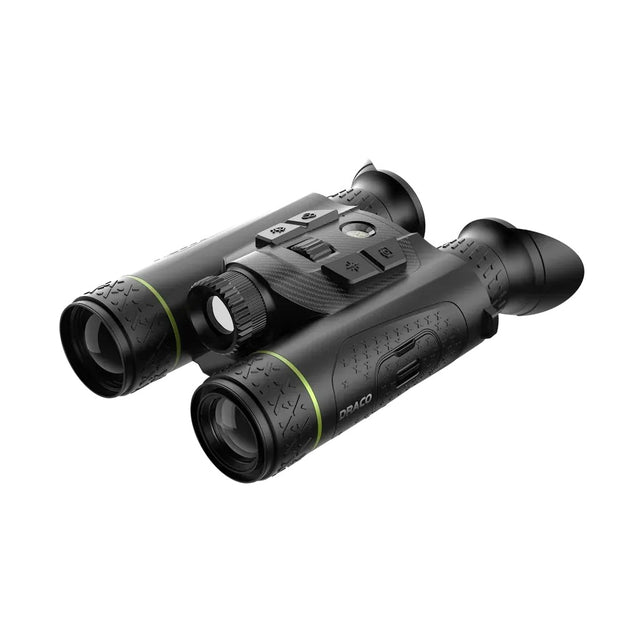
$1,790
Supplier out of stock — backorder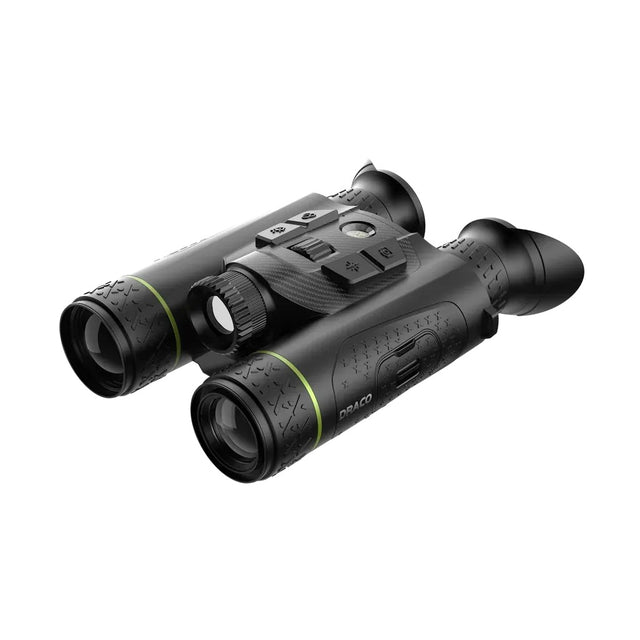
$2,990
Supplier out of stock — backorder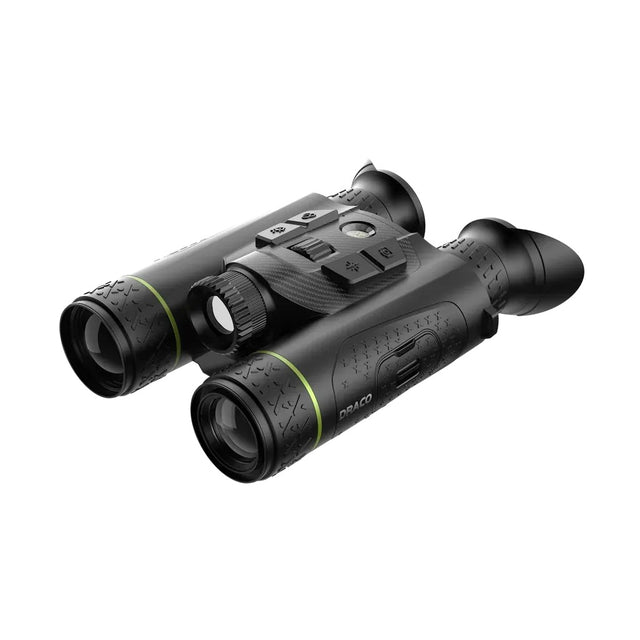
$2,990
Supplier out of stock — backorder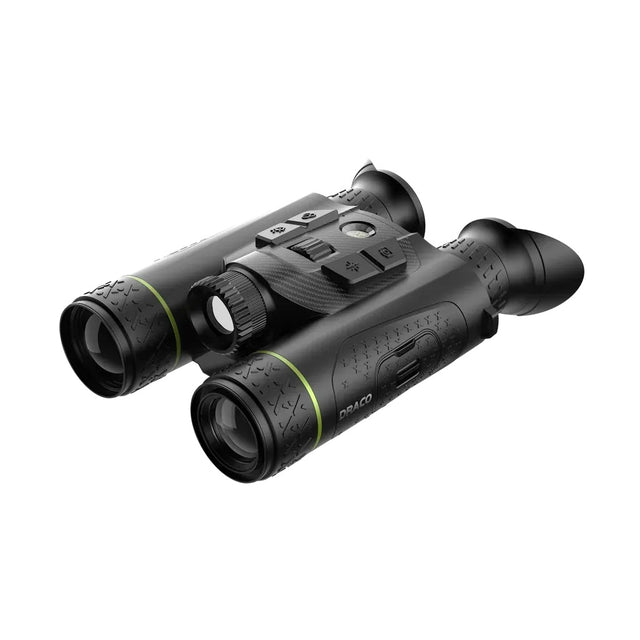
$3,990
Supplier out of stock — backorder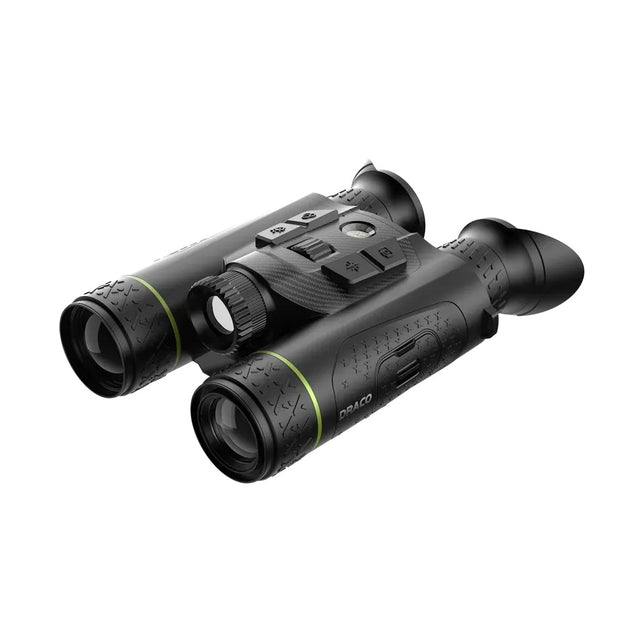
$3,890
Supplier out of stock — backorder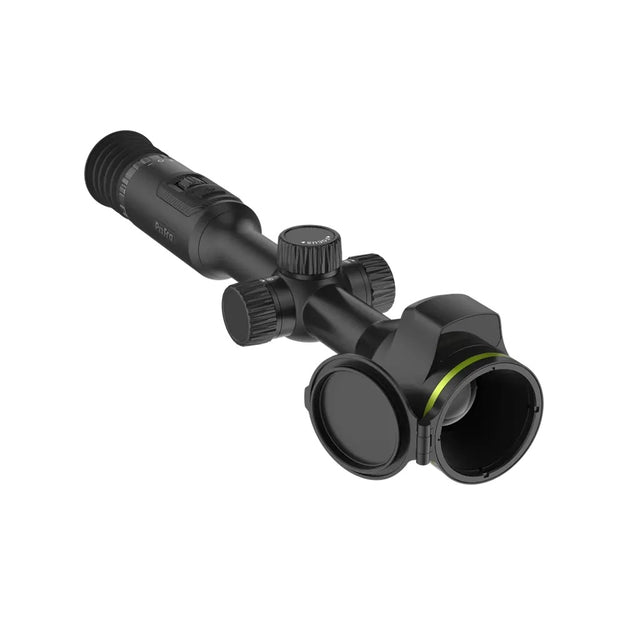
Showing 24 of 33
Pixfra makes thermal and digital night vision that packs a lot of sensor into the money. Cetus and Pegasus 2 scopes, Arc and M2 handhelds, Draco binoculars, Taurus clip-ons and the Volans day and night scope. Not sure which one suits? Ask us and we'll tell you straight.
Start with how far out your animals usually are. Most rabbit and fox work inside about 150 m suits a 19 to 35 mm lens. Foxes on open paddocks at 250 m or deer across a gully want 50 mm. Find and check animals with a handheld or binocular, and bring the rifle up once you know what's there and what's behind it.
Pixfra thermal monoculars
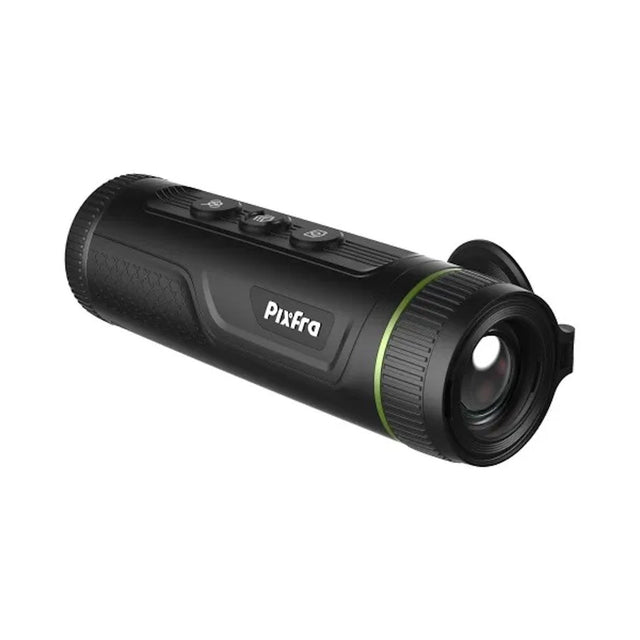
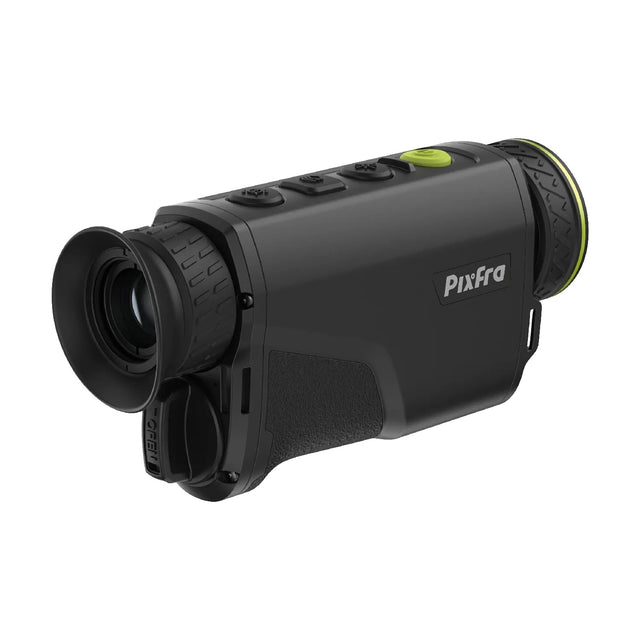
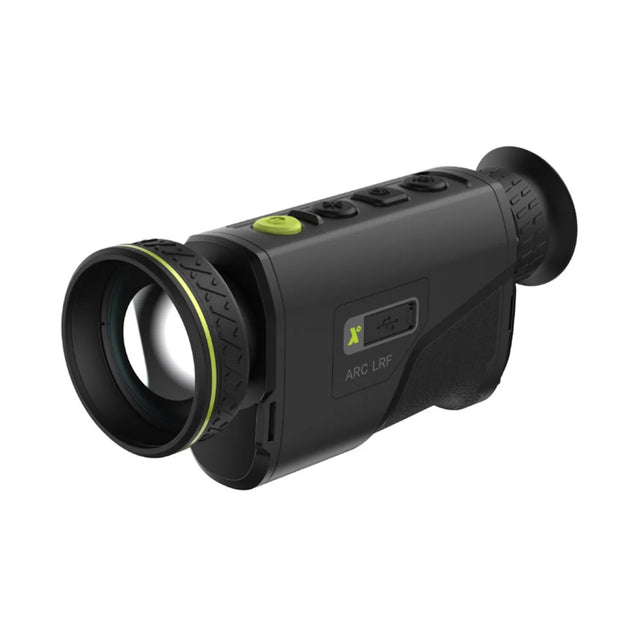
The M2 M419 is the pocket option with a 384×288 sensor and a wide 19 mm lens. The Arc range adds a 1,000 m laser rangefinder: Arc A425P LRF (384, 25 mm), Arc A635P LRF (640, 35 mm) and Arc A650P LRF (640, 50 mm F1.0). See all Pixfra monoculars.
Pixfra thermal and night vision scopes
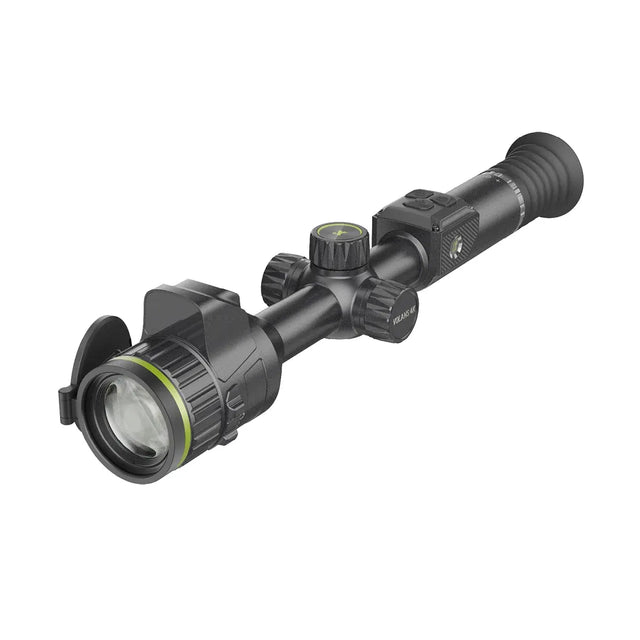
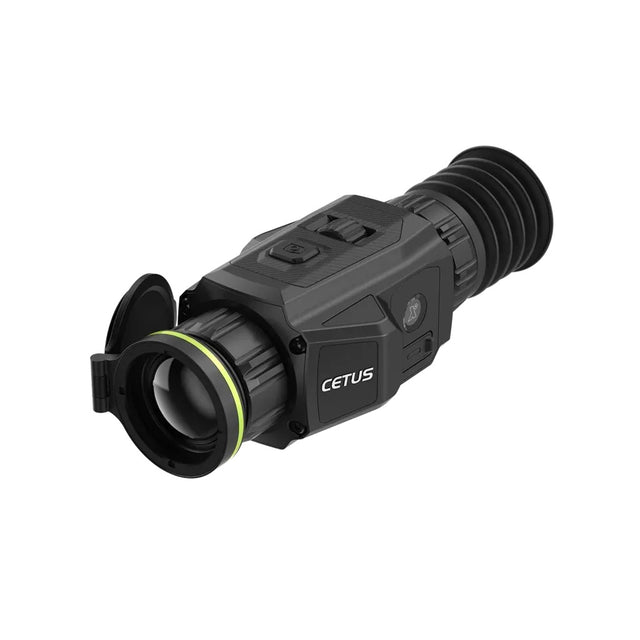
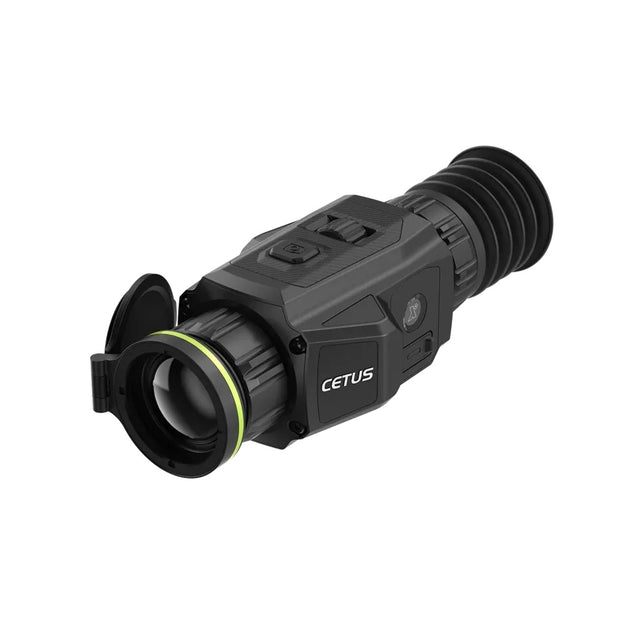
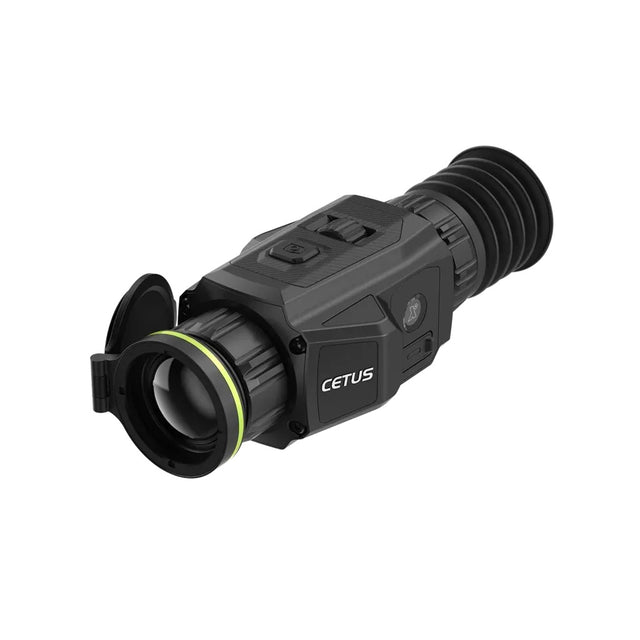
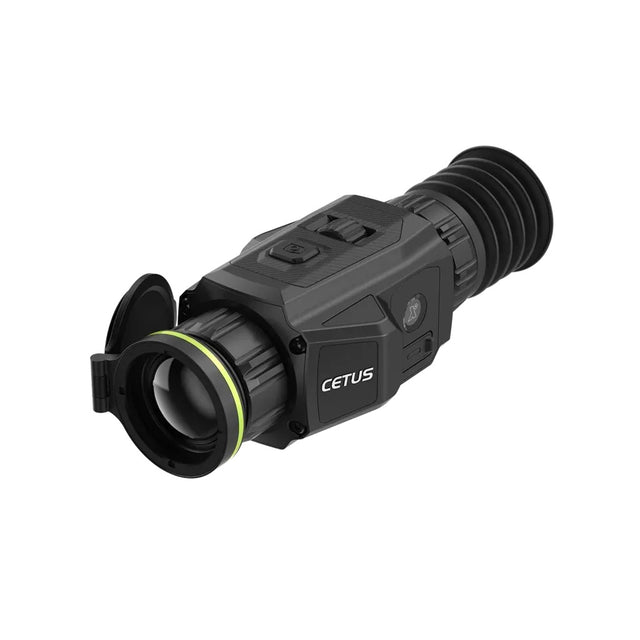
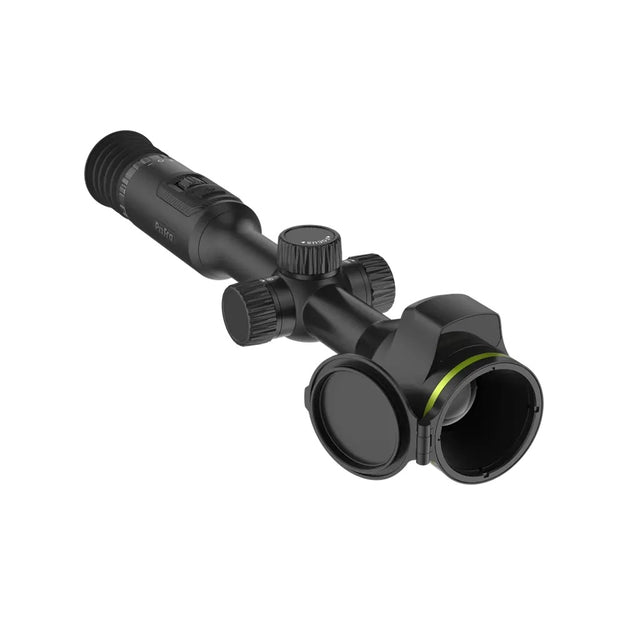
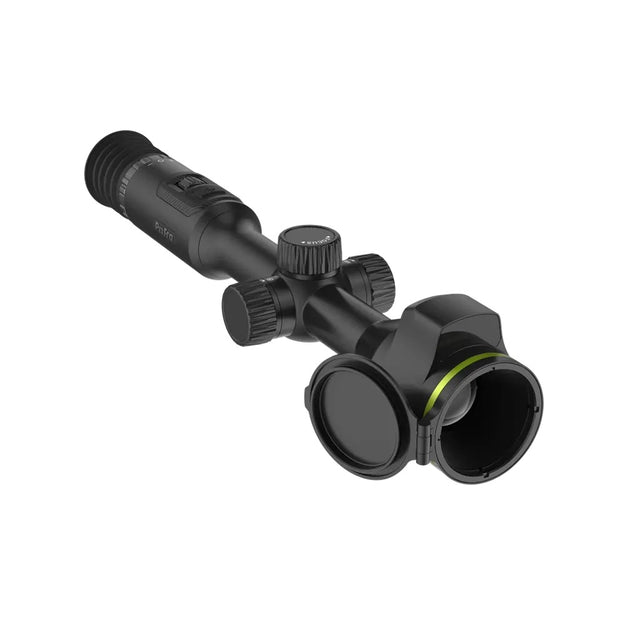
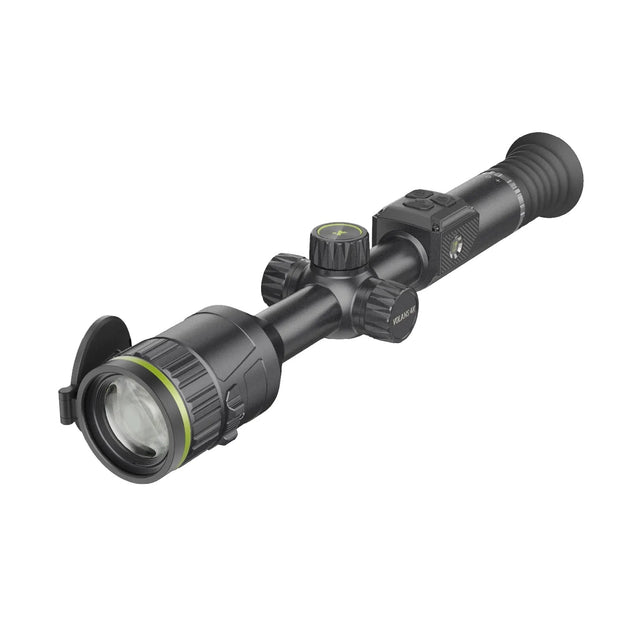
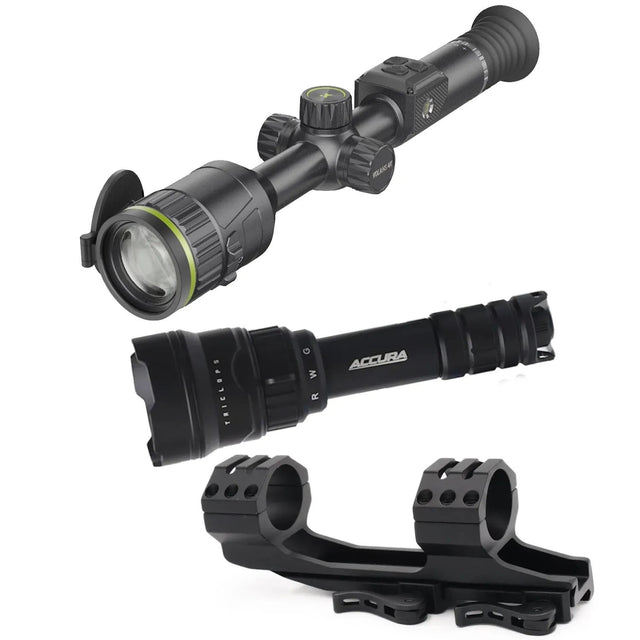
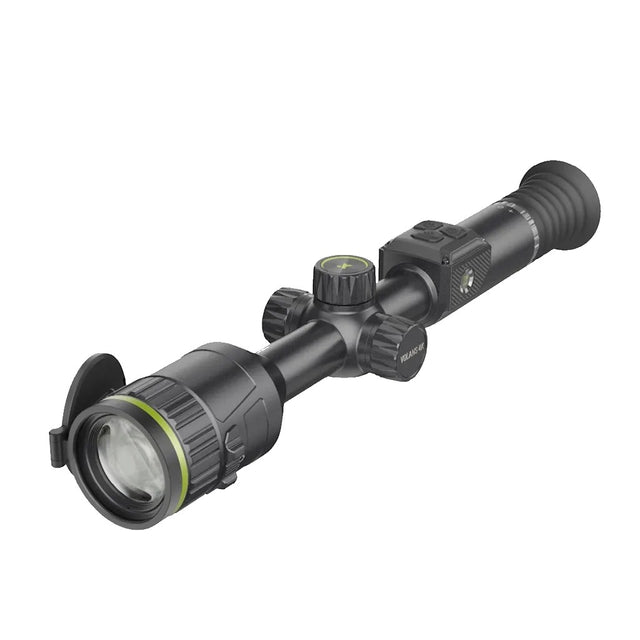
Cetus is the straightforward thermal scope: C225, C335, C635 and C650. Pegasus 2 puts a 1,000 m rangefinder and ballistic calculator in a 30 mm tube: P335 LRF, P635 LRF and P650 LRF. The Volans 50 is a 4K digital day and night scope. See all Pixfra scopes.
Binoculars, clip-ons and accessories
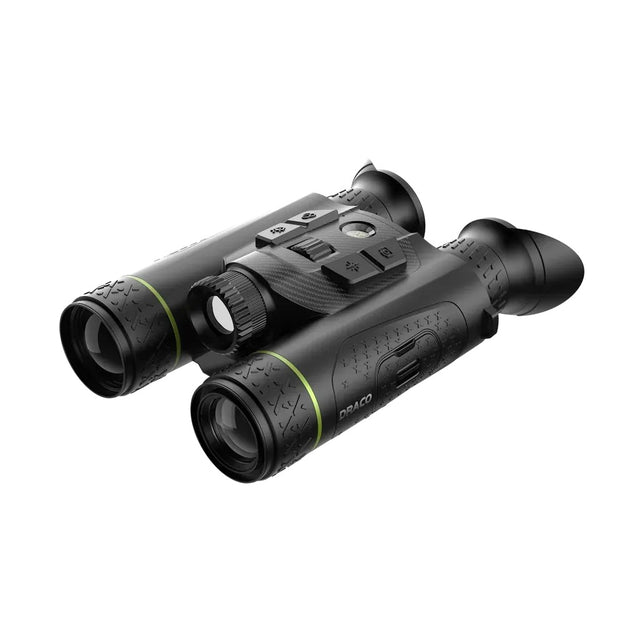
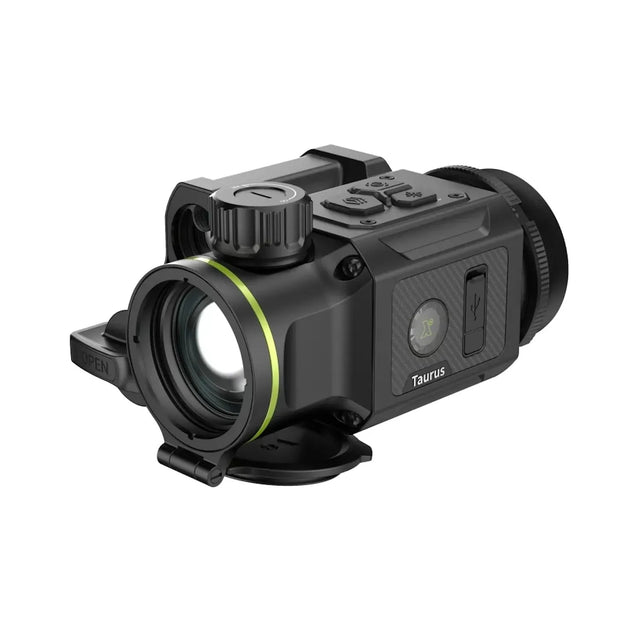
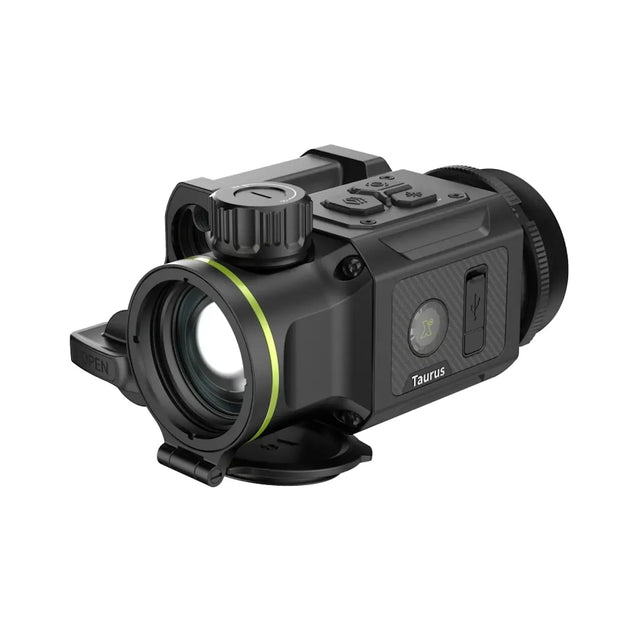
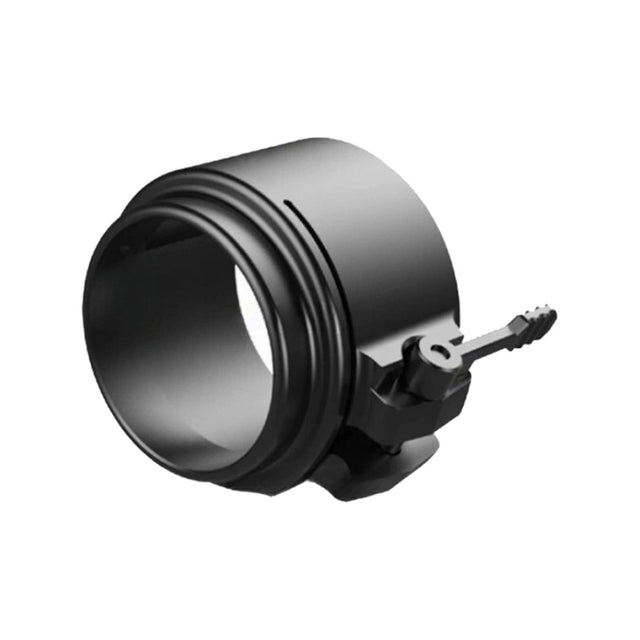
Draco binoculars combine thermal, 4K digital night vision and a rangefinder, in 850nm or 940nm IR versions. Taurus clip-ons put thermal in front of the day scope you already own. Have a look at Pixfra binoculars, Pixfra clip-ons and Pixfra accessories.
Related: Pixfra buyer's guide: which model for what · Pixfra Arc vs M2 monocular comparison · Cetus vs Pegasus 2 vs Volans · Pixfra vs Pulsar vs HIKMICRO