
$6,739$7,499
or $673.90 deposit, layby the rest — balance due within 8 weeksBackorder, at supplierThermal Binoculars Australia
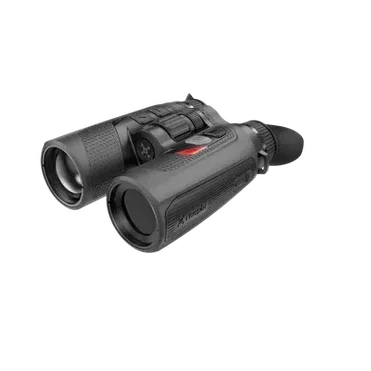
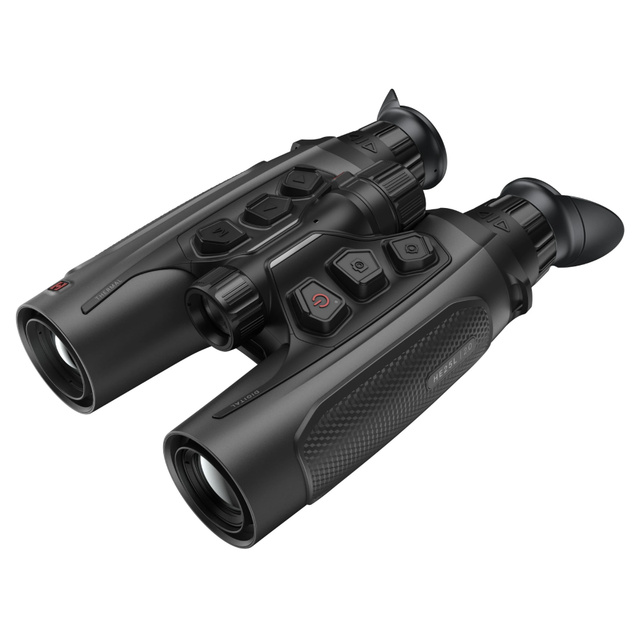
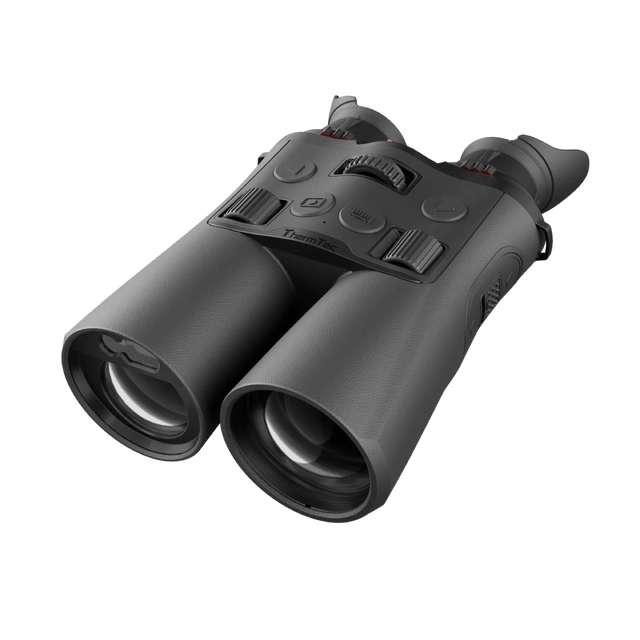
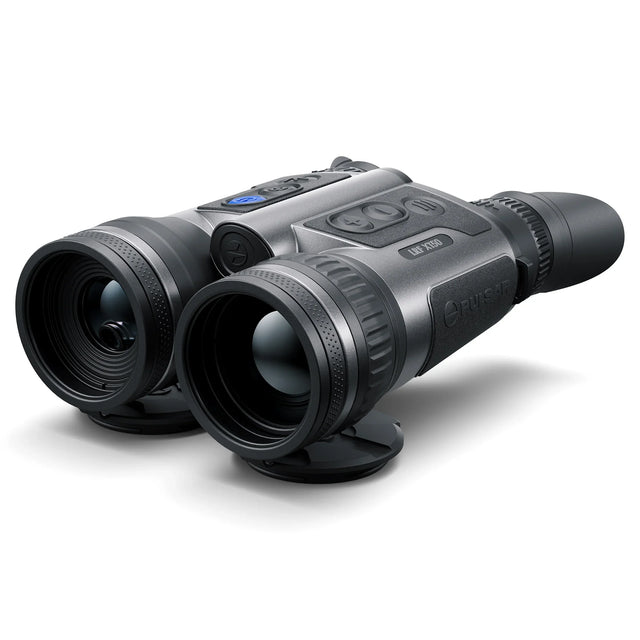
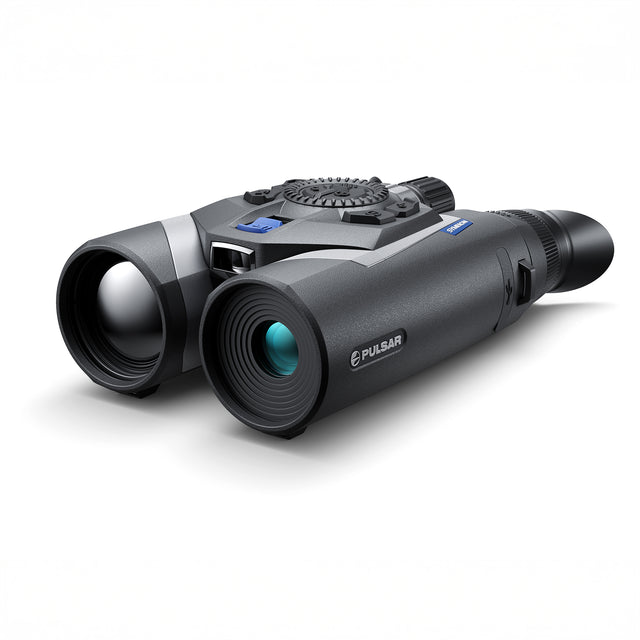
Thermal binoculars let you watch with both eyes open, so long glassing sessions are easier on your eyes. That's the main reason to choose them over a monocular. If you want something lighter to car...
27 products
On backorder
$10,299.99
or $1,030.00 deposit, layby the rest — balance due within 8 weeksOnly 1 left
In stockPeace of mind
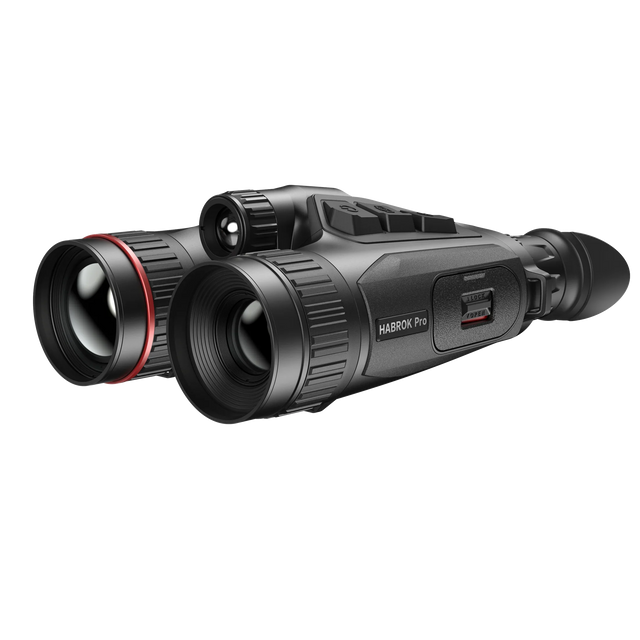
HIKMICRO
HIKMICRO HABROK 4K HQ50L 50mm 640x512 12mic <15mK NV 850nm Binoculars with LRF640 LRF
150 m+2 reviews
$6,499
or $649.90 deposit, layby the rest — balance due within 8 weeksOnly 1 left
In stockPeace of mind
$7,799
or $779.90 deposit, layby the rest — balance due within 8 weeksOnly 2 left
In stockPeace of mind
 HOW THERMAL WORKS384 vs 640: what the numbers really meanRead the 4-minute guide →
$4,299$5,499
or $429.90 deposit, layby the rest — balance due within 8 weeksOnly 1 left
In stockPeace of mind
$3,599.95$4,499
or $360.00 deposit, layby the rest — balance due within 8 weeksOnly 1 left
In stockPeace of mind
$4,349
or $434.90 deposit, layby the rest — balance due within 8 weeksOnly 1 left
In stockPeace of mind
$5,499
or $549.90 deposit, layby the rest — balance due within 8 weeksOnly 1 left
In stockPeace of mind
$2,799
or $279.90 deposit, layby the rest — balance due within 8 weeksOnly 2 left
In stockPeace of mind
$4,999
or $499.90 deposit, layby the rest — balance due within 8 weeksOnly 1 left
In stockPeace of mind
$9,554$9,799
or $955.40 deposit, layby the rest — balance due within 8 weeksOn backorder
On backorder
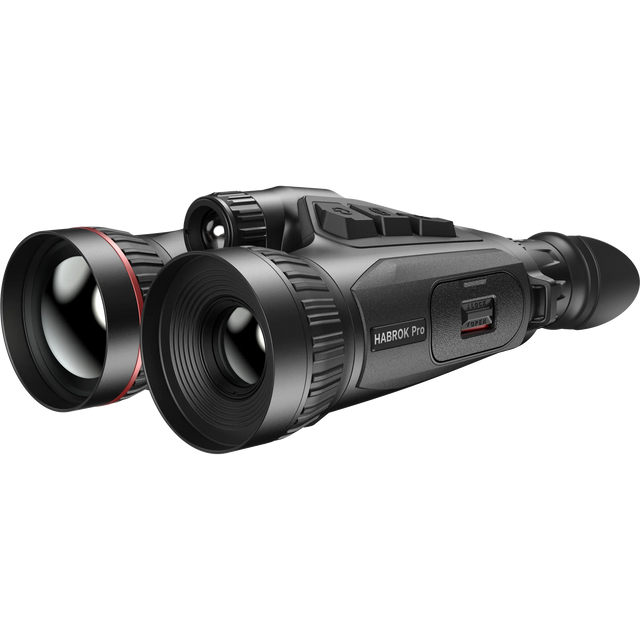
HIKMICRO
HIKMICRO HABROK 4K HX60L 60mm 1280x1024 12mic <18mK NV 850nm Binoculars with LRF1280 LRF
≤150 m
150 m+
$9,999
or $999.90 deposit, layby the rest — balance due within 8 weeksOn backorder
On backorder
 THERMAL SIMULATORFox, pig or deer: what will you see at 200 m?Compare up to three thermals side by side →
$9,457$9,699
In stock at supplier
In stock with supplier
$5,999
or $599.90 deposit, layby the rest — balance due within 8 weeksOnly 1 left
In stockPeace of mind
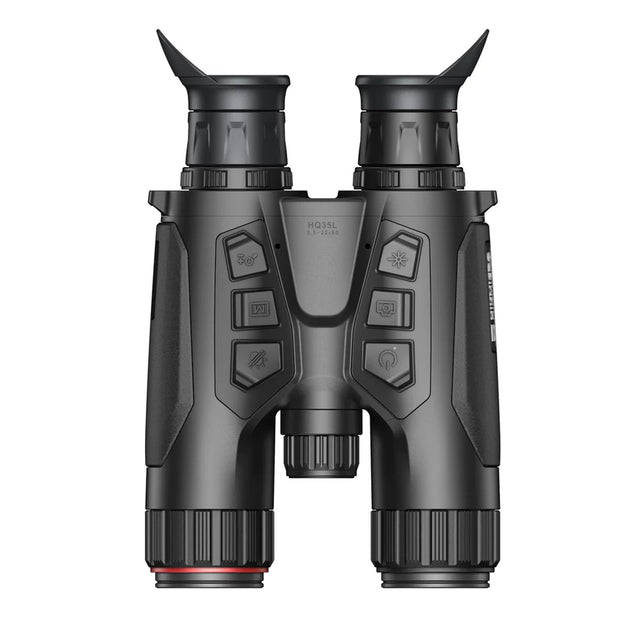
HIKMICRO
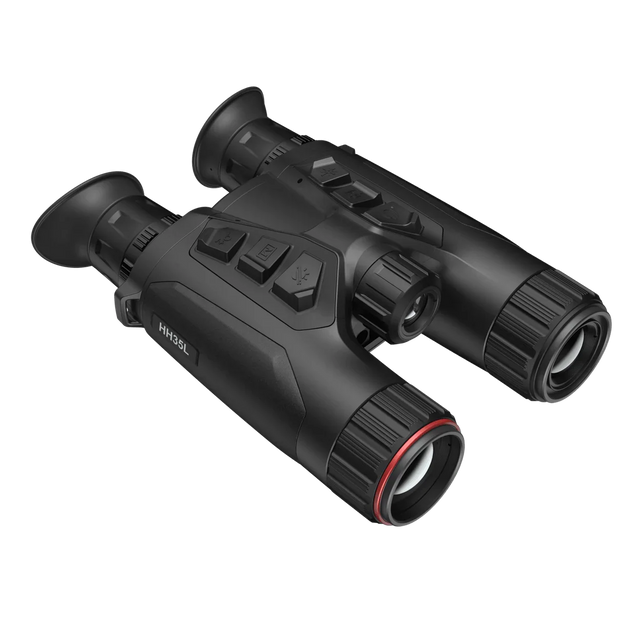
HIKMICRO HABROK 4K HQ35L 35mm 640x512 12mic <20mK NV 850nm Binoculars with LRF640 LRF
≤150 m
$5,029$5,799
or $502.90 deposit, layby the rest — balance due within 8 weeksOnly 1 left
In stockPeace of mind
On backorder
$4,349
or $434.90 deposit, layby the rest — balance due within 8 weeksOn backorder
On backorder
Out of stock with supplier
Out of stock with supplier
Out of stock with supplier
Out of stock with supplier
Out of stock with supplier
In stock with supplier
$2,999.95
or $300.00 deposit, layby the rest — balance due within 8 weeksOn backorder
On backorder
Showing 24 of 27
Compare (0)
Compare side by side
Thermal binoculars let you watch with both eyes open, so long glassing sessions are easier on your eyes. That's the main reason to choose them over a monocular. If you want something lighter to carry in a pocket, thermal monoculars are the better fit. If two-eye comfort is the priority, start with the range below.
Choose by how you'll use them
Some models are thermal only. Others add a digital day/night channel, which can help you tell what you're looking at once you've found the heat. A built-in rangefinder, battery type and weight on the neck strap are worth checking too, because those are the things you'll notice night after night.
The sensor and the lens do different jobs. The sensor sets how much detail is in the picture, and the lens sets how the view is framed, so pick both for the country you hunt rather than chasing one big number on its own.
Worth a look
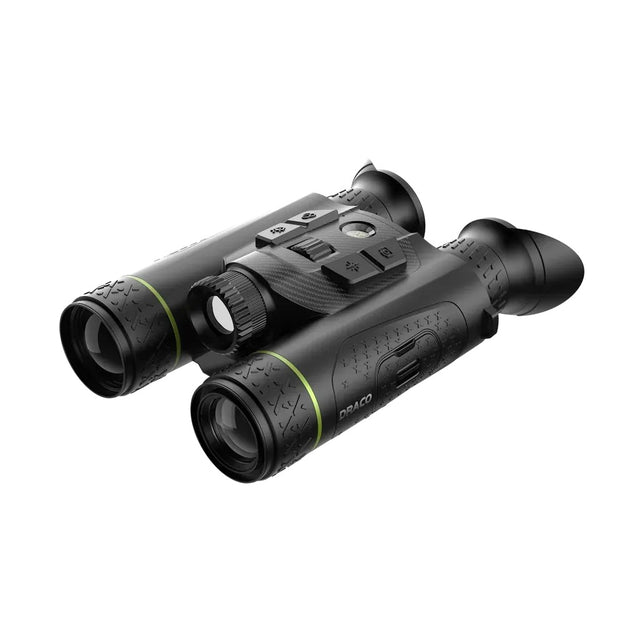
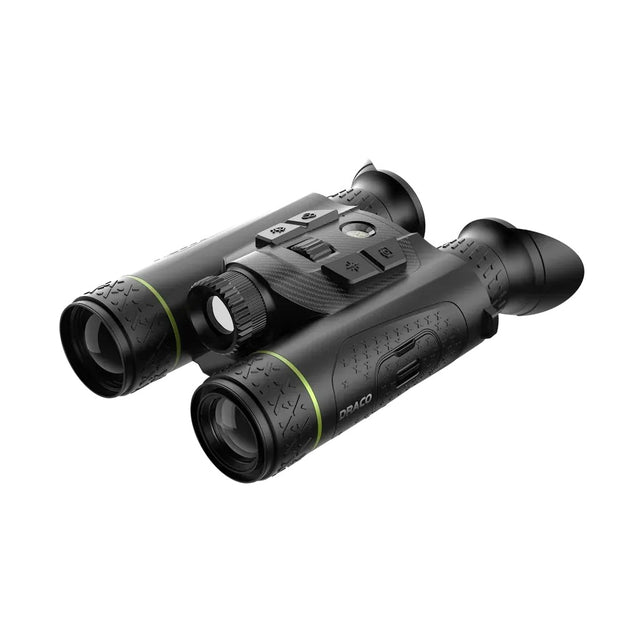
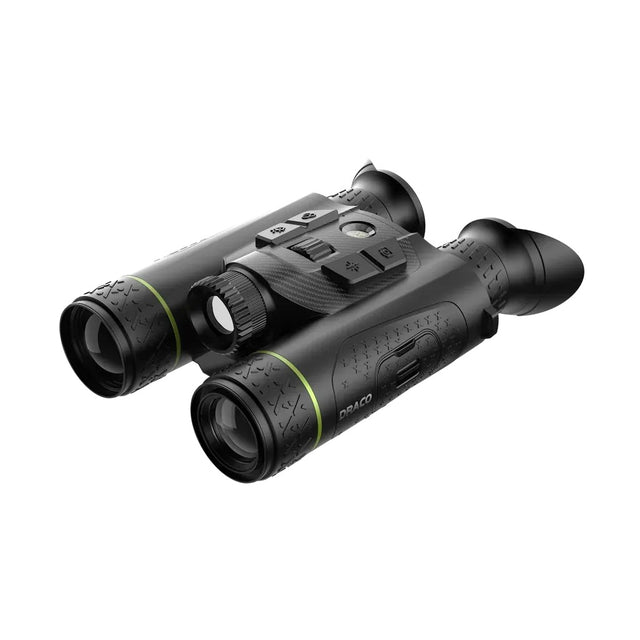
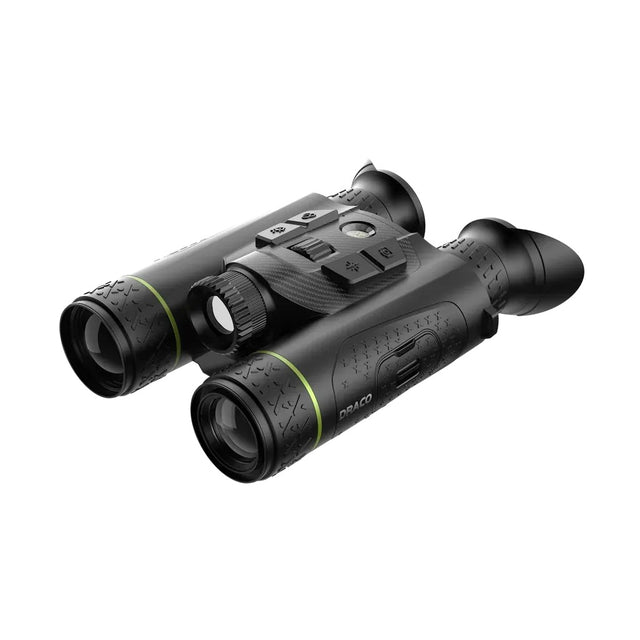
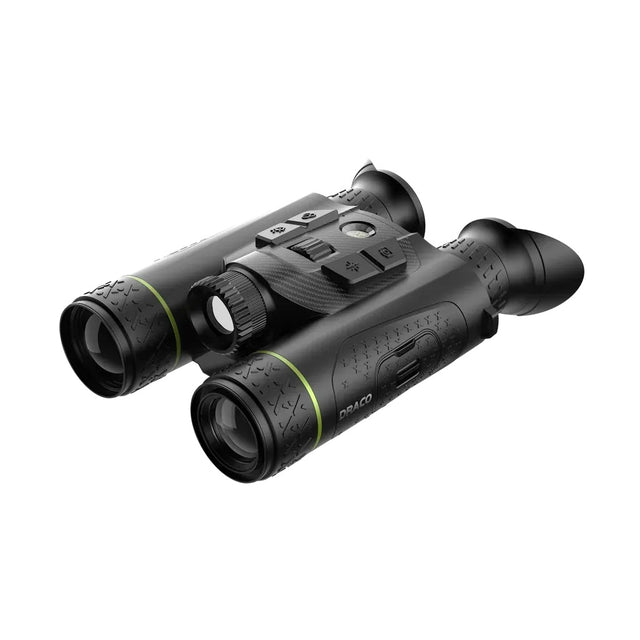
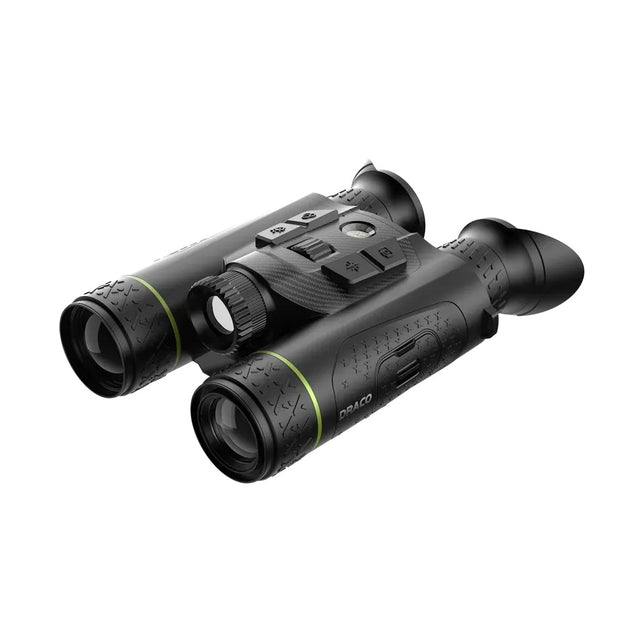
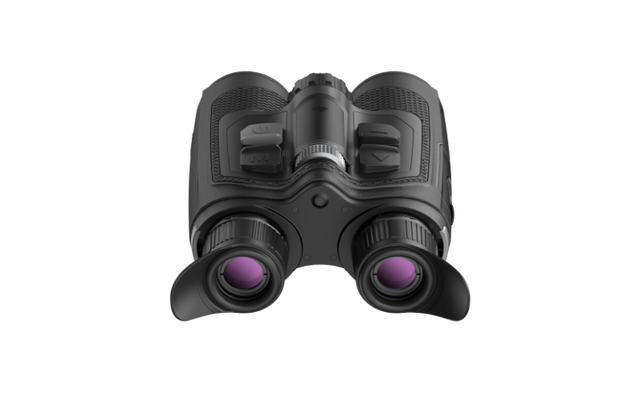
Want thermal, 4K digital night vision and a rangefinder in one pair? The Pixfra Draco does all three, in 850nm or 940nm IR versions. See Pixfra thermal binoculars.
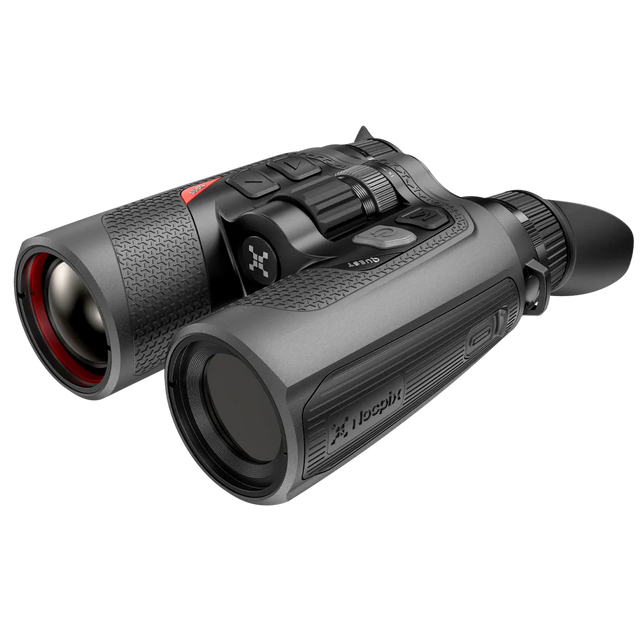
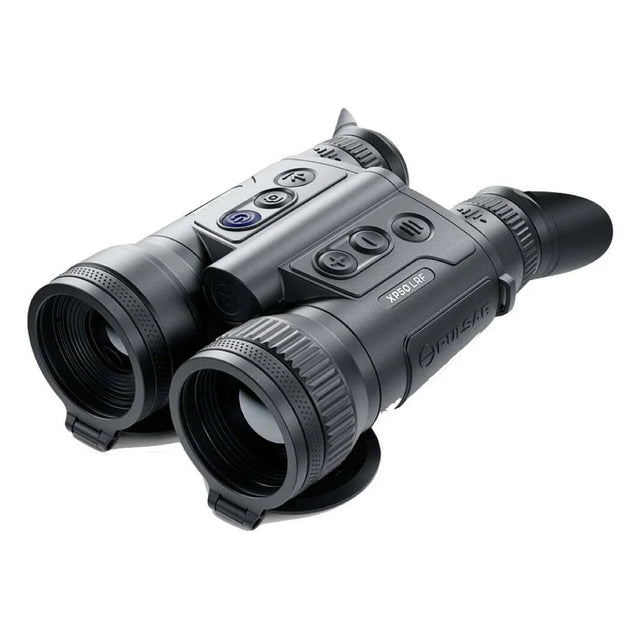
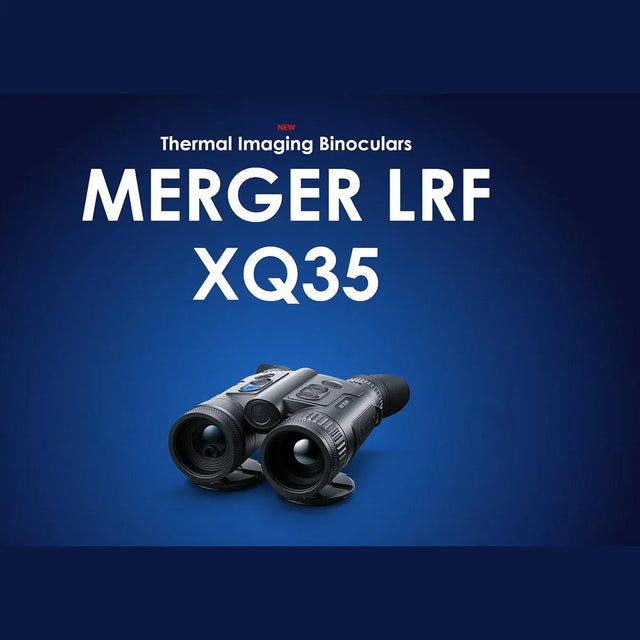
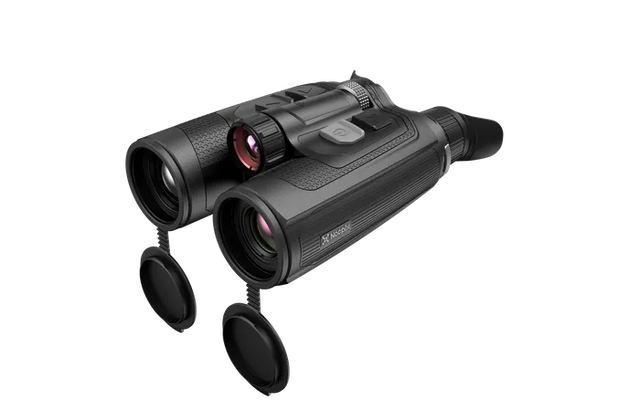
The Nocpix QUEST S50R is our two-eye pick for long sessions, with a 1280 sensor for a detailed picture. Below it you'll find Habrok, QUEST, Merger and Ventus models in a mix of thermal-only and multispectral set-ups. Check each product page for live stock and the full spec list before you buy.
Still stuck between a monocular and binoculars? Our thermal monocular vs thermal binoculars guide lays out the trade-off in plain terms, and we're happy to help you choose.