
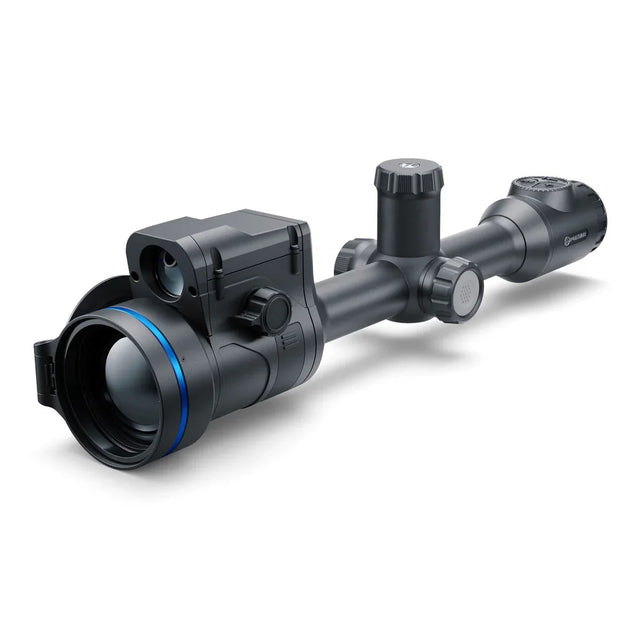
$5,599$7,999
or $559.90 deposit, layby the rest — balance due within 8 weeksIn stockPulsar Thermal Scopes
Pulsar thermal scopes for foxes, pigs and rabbits, matched to how far you actually shoot. Most shots inside 150 m? A 35 mm like the Thermion 2 XQ35 PRO does the job. Foxes out at 250 m on open padd...
12 products
In stockPeace of mind
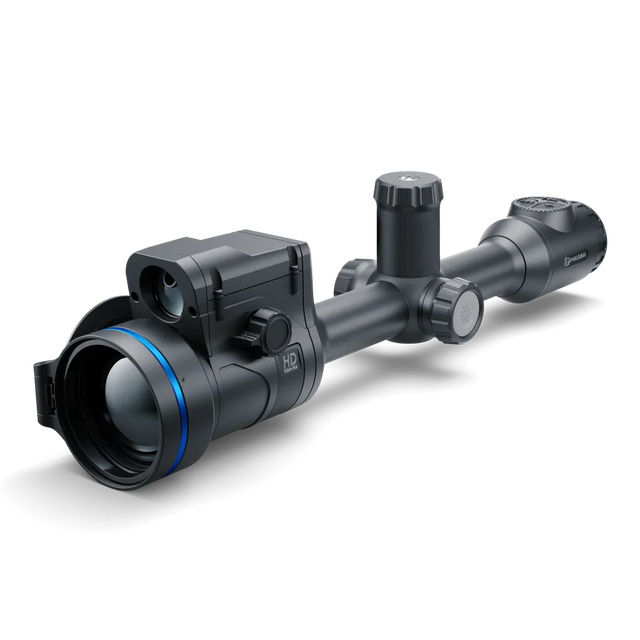
$7,999
or $799.90 deposit, layby the rest — balance due within 8 weeksBackorder, at supplier
On backorder
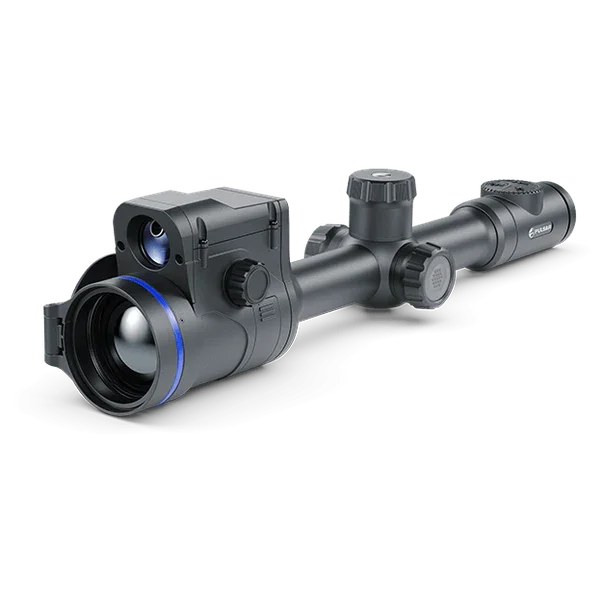
$6,899$7,399
or $689.90 deposit, layby the rest — balance due within 8 weeksOnly 1 left
In stockPeace of mind
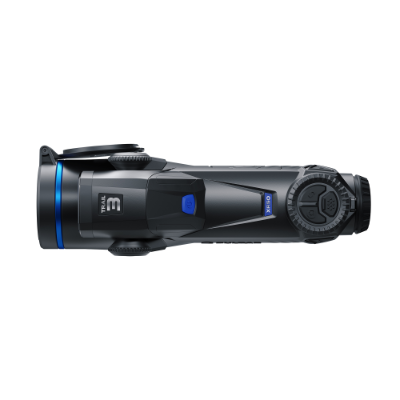
$5,199
or $519.90 deposit, layby the rest — balance due within 8 weeksBackorder, at supplier
On backorder
 HOW THERMAL WORKS384 vs 640: what the numbers really meanRead the 4-minute guide →
$4,299
or $429.90 deposit, layby the rest — balance due within 8 weeksOnly 2 left
In stockPeace of mind
Out of stock with supplier
In stock with supplier
$9,699
or $969.90 deposit, layby the rest — balance due within 8 weeksOnly 3 left
In stockPeace of mind
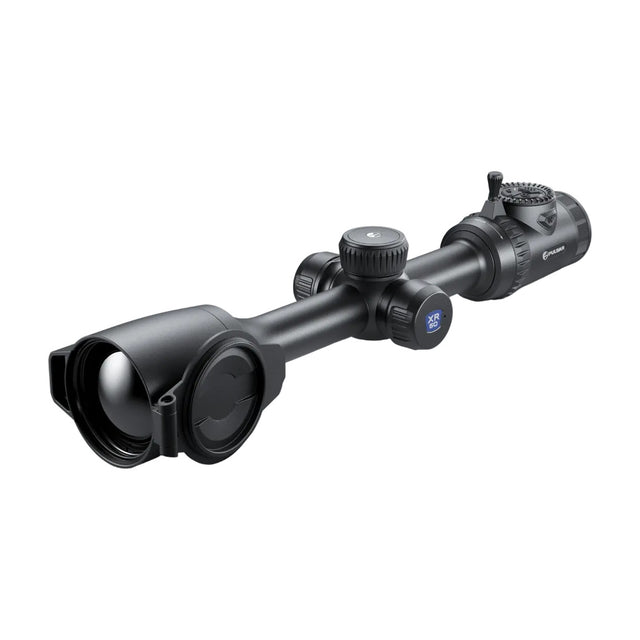
$5,999
or $599.90 deposit, layby the rest — balance due within 8 weeksPre-order: arriving in 1-2 weeks
Pre-order
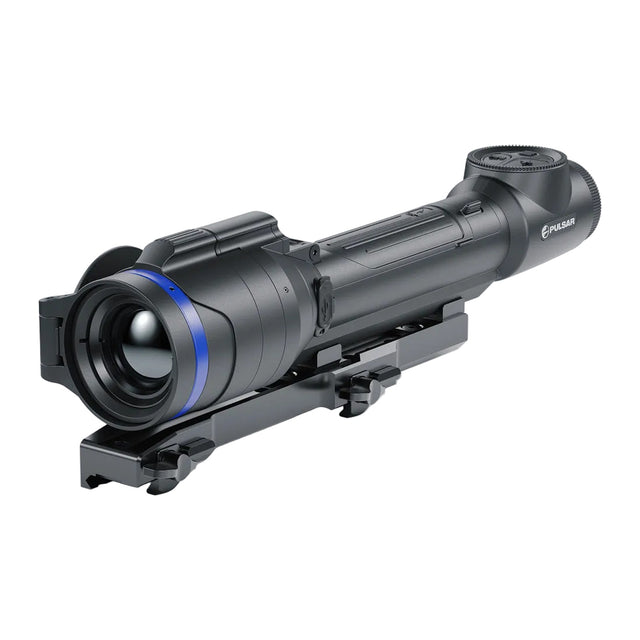
$3,499
or $349.90 deposit, layby the rest — balance due within 8 weeksIn stock at supplier
In stock with supplier
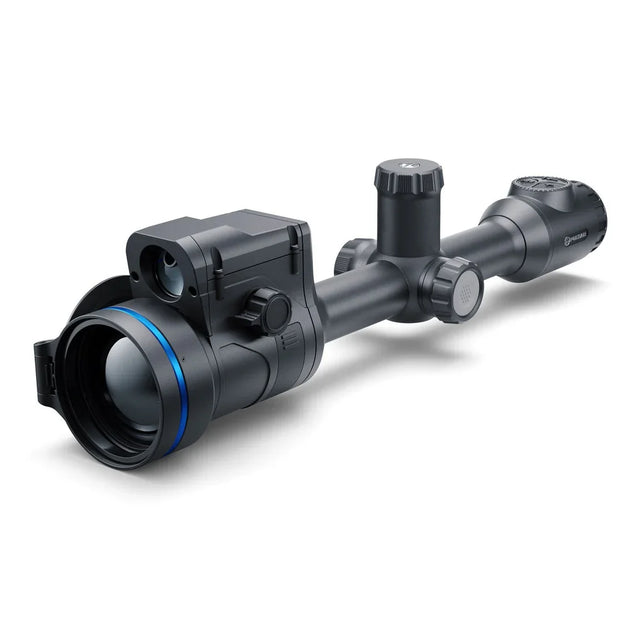
$4,699$7,599
or $469.90 deposit, layby the rest — balance due within 8 weeksSold out
Sold out
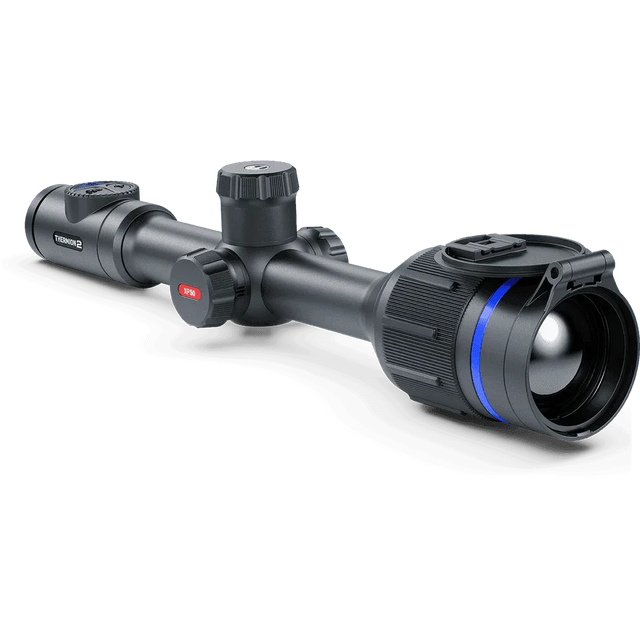
$4,399
or $439.90 deposit, layby the rest — balance due within 8 weeksSold out
Sold out
 THERMAL SIMULATORFox, pig or deer: what will you see at 200 m?Compare up to three thermals side by side →
Compare (0)
Compare side by side
Pulsar thermal scopes for foxes, pigs and rabbits, matched to how far you actually shoot. Most shots inside 150 m? A 35 mm like the Thermion 2 XQ35 PRO does the job. Foxes out at 250 m on open paddocks want 50 mm or bigger, like the Thermion 2 LRF XG50 or LRF XP60. Find the animal with a handheld Pulsar monocular, not the rifle, then bring the scope up for the shot.
Thermion 2 or Trail 3? The Thermion 2 drops into standard 30 mm rings like a day scope. The Trail 3 has the rangefinder built into every model, so you know the distance before you squeeze. Chasing the most detail at long range? The Thermion 2 LRF XL60 runs Pulsar's 1024 HD sensor. Torn between two? Give us a shout with your rifle and usual distances and we'll sort it.
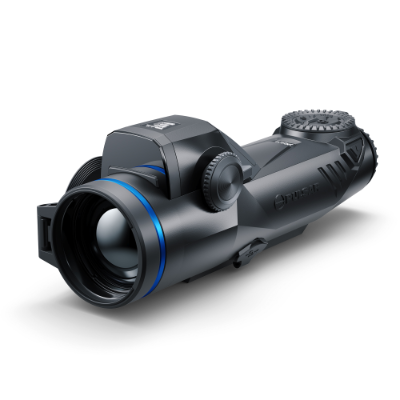
New: the Thermion 3. It keeps the Thermion 2's 30 mm tube and standard rings, and now every model has a 1200 m rangefinder and ballistic calculator built in. The Thermion 3 LRF XT60 runs a 1280×1024 sensor, the most pixels in this range. The Thermion 3 LRF XR60 sticks with 640×480 on 12 µm pixels, starts at 4× and runs up to 14 hours on a charge.
One thing worth knowing: the sensor changes how much you see, not how far. On the same lens a 384 gives a tighter, more zoomed-in view, while a 640 or the XL's 1024 shows more of the paddock. Our guide on which Pulsar thermal you should buy runs through the lot, and the whole brand is on Pulsar Australia.
The Pulsar thermal scope range
Thermion 2 — tube-style thermal scopes
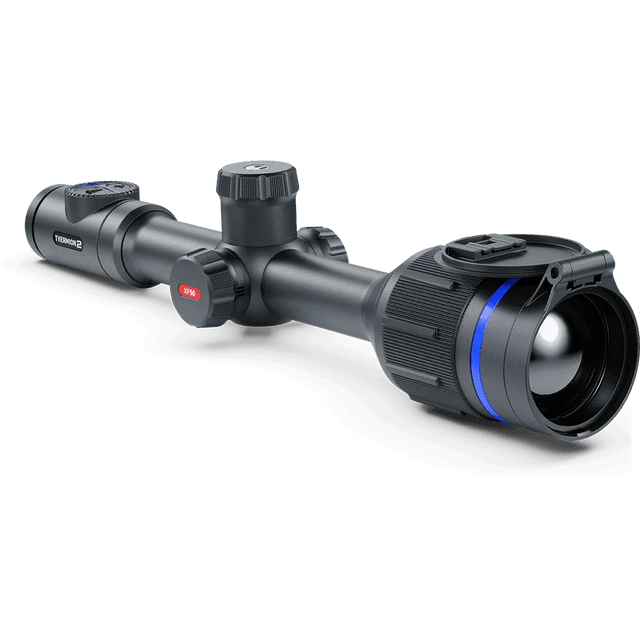
Pulsar's classic scope sits in a 30 mm tube that drops into standard rings, so it mounts and handles just like the day scope you already know. The range runs from 384-class XQ models up through 640 and 1024-sensor XP, XG and XL builds, and the LRF versions add a built-in laser rangefinder.
Thermion 3 — the new tube-style LRF scopes
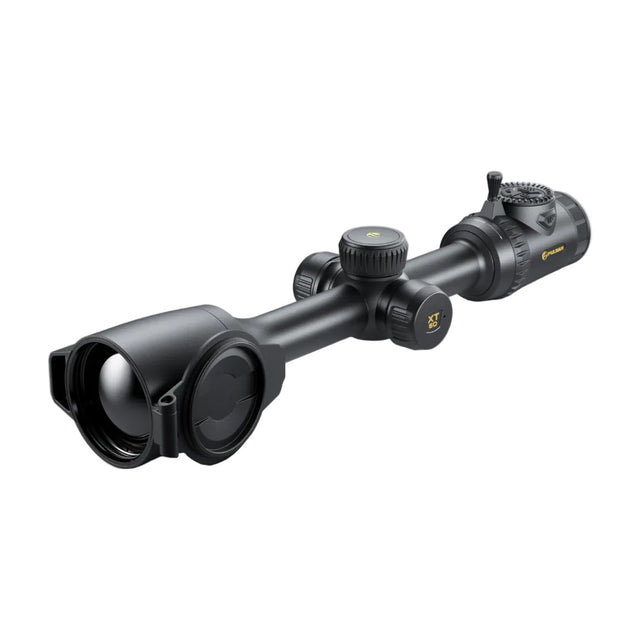
Same familiar tube as the Thermion 2, with the rangefinder and ballistic calculator now standard. Pick the XT60 if you want the most detail on screen (1280×1024, 2–24×), or the XR60 if you want more base magnification and a longer battery (640×480, 4–40×).
Trail 3 — bridge-mount LRF scopes
Every Trail 3 has a laser rangefinder built in, so you know the distance before you take the shot. The XR50 runs a 640 sensor on a fine 12 µm pitch; the XQ50 is the 384 option for a more magnified field and carries Pulsar's sharpest quoted sensitivity in the range.
How to read a Pulsar model name
Once you know the code, the whole range makes sense at a glance:
- XQ — 384×288 sensor, 17 µm pixels — the best-value option, with a narrower, more zoomed-in view.
- XP — 640×480 sensor, 17 µm — the all-rounder with a wide view.
- XG / XR — 640×480 sensor on finer 12 µm pixels — sharper detail and more reach from the same lens.
- XL — 1024×768 HD sensor, 12 µm — the HD Thermion 2 flagship.
- XT — 1280×1024 sensor, 12 µm — the Thermion 3 top model.
- The number (35 / 50 / 60) — the lens size in millimetres.
- LRF — a built-in laser rangefinder.
So a Thermion 2 LRF XG60 is a tube-style scope with a 640×480 / 12 µm sensor, a 60 mm-class objective and a built-in rangefinder.
What actually drives performance (and what doesn't)
The lens drives reach, not "sensor size." How far you can see comes mostly down to the lens, together with the sensor and pixel size. A bigger lens puts the animal across more pixels, so you get more detail further out. That's why the 60 mm XG60 and XL60 see furthest, and why any 35 mm scope suits closer, wider-view work, whatever the brand.
384 vs 640 is a field-of-view choice, not simply "640 is better." On the same lens and pixel pitch a 384×288 sensor shows a narrower, more magnified view — great for careful longer shots, and it saves you a fair bit of money. A 640×480 shows a wider field of view with more of the paddock in view, so it's easier to follow moving pigs. Buy for how you hunt, not for the bigger number.
NETD matters, but don't buy on the number alone. Pulsar quotes sensitivity from around <15 mK to <40 mK across this range — a lower figure reads finer temperature differences, which counts in rain, fog and humid summer nights. But Pulsar's image processing has just as much say in the picture you actually see as a few mK on a spec sheet. So treat NETD as one thing to weigh up, not the whole story.
Detection vs identification. Pulsar's quoted detection figures (up to 2,800 m on the 60 mm flagships) are best-case numbers for picking up heat. The distance where you can actually identify the animal is a lot shorter, so plan your shots around that.
Pulsar thermal scope comparison
| Model | Platform | Sensor | Pixel pitch | Detection (Pulsar figure) | Rangefinder | Best for |
|---|---|---|---|---|---|---|
| Thermion 2 XQ35 PRO | Tube | 384×288 | 17 µm | 1,350 m | No | Entry to the Thermion line, closer country |
| Thermion 2 XQ50 PRO | Tube | 384×288 | 17 µm | 1,800 m | No | Best value all-rounder |
| Trail 3 LRF XQ50 | Bridge | 384×288 | 17 µm | 1,800 m | Built-in | Best value with LRF — <15 mK core |
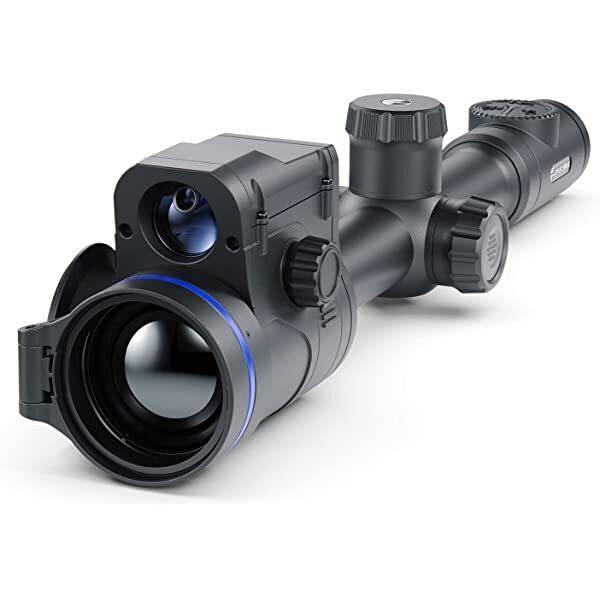
| Thermion 2 LRF XP50 PRO | Tube | 640×480 | 17 µm | 1,800 m | Built-in | Wide 640 view with ranging |
| Thermion 2 LRF XG50 | Tube | 640×480 | 12 µm | 2,300 m | Built-in | 640 sweet spot: wide view, sharp detail, ranging |
| Trail 3 LRF XR50 | Bridge | 640×480 | 12 µm | 2,300 m | Built-in | 640 / 12 µm on the bridge-mount platform |
| Thermion 2 LRF XP60 | Tube | 640×480 | 17 µm | 2,000 m | Built-in | Longer 640 / 17 µm reach + ranging |
| Thermion 2 LRF XG60 | Tube | 640×480 | 12 µm | 2,800 m | Built-in | Long-range pick: longest reach + LRF |
| Thermion 2 LRF XL60 | Tube | 1024×768 | 12 µm | 2,800 m | Built-in | HD flagship — maximum detail |
| Thermion 3 LRF XR60 | Tube | 640×480 | 12 µm | 2,800 m | Built-in | 4× base mag, up to 14 h battery |
| Thermion 3 LRF XT60 | Tube | 1280×1024 | 12 µm | 2,800 m | Built-in | Most pixels in the range |
Detection figures are Pulsar's own ideal-condition specifications.
Watch — Pulsar thermal scopes in the field
Our own walkthroughs from the Hunt The Night team:
First look at the flagship Pulsar Thermion 2 XL60.
A closer look at the Pulsar Thermion 2 XQ35 PRO.
384 vs 640 — which sensor suits your hunting?
Pulsar Thermal Scopes Australia — FAQ
Are Pulsar thermal scopes any good?
Yes. Pulsar is one of the longest-running names in thermal. The scopes are designed in Europe, the picture is clean and well processed, and there's a sensor for every budget right up to HD models like the XL60. They're built to handle recoil and rough use, which is why plenty of Aussie hunters go Pulsar first.
What's the difference between the Thermion 2 and the Trail 3?
The Thermion 2 is a 30 mm-tube scope that fits standard rings, so it mounts and handles like a day scope. The Trail 3 uses a bridge mount and includes an integrated laser rangefinder on every model — ranging as standard, with different ergonomics. Both draw from the same Pulsar sensor tiers, so the choice is mostly mounting, ergonomics and whether you want the LRF built in.
What do XG, XP, XQ and XL mean on a Pulsar scope?
They denote the sensor and lens class. XQ models use a 384×288 sensor (a narrower, more magnified field); XP, XG, XL and XR step up to 640 or 1024 sensors for a wider field of view and more on-screen detail, with XG/XR using finer 12 µm pixels. The number is the objective lens in millimetres, and "LRF" means a laser rangefinder is built in.
How far will a Pulsar thermal scope detect?
Each model lists its own detection figure — from around 1,350 m on the 384 / 35 mm scopes to 2,800 m on the 60 mm flagships. That range is set by the unit's objective lens and sensor combination rather than by sensor size alone, and the quoted numbers are ideal-condition figures for detecting a heat signature; the distance at which you can confidently identify an animal is shorter. Ask us for a realistic figure for your terrain.
Is Pulsar better than HIKMICRO?
Both are excellent and we stock both. Pulsar is designed in Europe, has a really polished picture, and offers more scope styles plus HD models at the top. HIKMICRO usually gives you more features for the money. If you want the most refined scope and the budget stretches, go Pulsar. If value matters most, compare with our HIKMICRO guide.
Are thermal scopes legal in Australia?
Thermal and night vision optics are legal to own in Australia. Some states restrict their use for hunting, particularly on public or state land — always check your state's current regulations before heading out.
Does Hunt The Night sell genuine Pulsar stock in Australia?
Yes. We supply genuine Australian Pulsar stock with full manufacturer warranty and we're happy to help you choose before you buy. We run Introduction to Thermal Hunting courses too, so we use this gear, not just sell it.
Related: Which Pulsar thermal to buy · Pulsar Australia · Pulsar monoculars · Thermion 2 LRF XL60 · Trail 3 LRF XR50 · Thermion 3 LRF XT60 · Thermion 3 LRF XR60 · All Thermal Scopes
Which Pulsar thermal scope should you buy?
Short version: work out how far your shots really are, then pick the lens, then the scope style. Closer country and most shots inside 150 m, the Thermion 2 XQ35 PRO is plenty. Foxes on open ground out to 250 m and beyond, the Thermion 2 LRF XG50 or Thermion 2 LRF XP60. Rather have the rangefinder on a bridge mount? The Trail 3 LRF XR50 or Trail 3 LRF XQ50. And for the most detail at range, the Thermion 2 LRF XL60. Do your scanning with a Pulsar monocular and keep the rifle for the shot. More in our guide on which Pulsar thermal you should buy.
Confused about choice?
Purchasing a thermal device is a complex process, involving careful consideration of your environment, platform, and requirements. Hunt The Night offers unparalleled expertise in thermals, working closely with major brands to develop cutting-edge products. Contact us at 1300486444 to speak with industry experts.... and if there's a product we don't sell, then it isn't worth spending money on.