
Spotting Scopes
A spotting scope is a high-magnification daytime telescope that sits on a tripod. Target shooters use one to read shot placement on paper. Hunters use one… Read moreRead less
A spotting scope is a high-magnification daytime telescope that sits on a tripod. Target shooters use one to read shot placement on paper. Hunters use one to glass a far ridge for deer before committing to the walk. When you choose one, you are deciding three things: how much zoom you need, how big the objective lens should be, and whether the eyepiece sits angled or straight.
This collection holds 35 scopes from Vortex, ZeroTech, GPO, Leica, Konus and LongShot, for shooters and hunters Australia-wide. Most are 20-60x models. There are smaller 11-33x, 12-36x and 13-39x scopes for carrying, plus one camera-based system for long-range target work.
Reading the numbers in the name
Take 20-60x85. The first two numbers are the zoom range. The last number is the objective lens diameter in millimetres. A bigger objective gathers more light and holds a brighter image at high zoom, but it adds bulk. An 85 mm scope such as the Vortex Razor HD 27-60x85 suits a bench, a shooting mat or the back of a ute. A 50 or 56 mm scope, like the Vortex Viper HD 11-33x50 or the Razor HD 13-39x56, is the one you carry in a pack through sambar country. The Konus 20-60x100 has the largest objective here.
Angled or straight
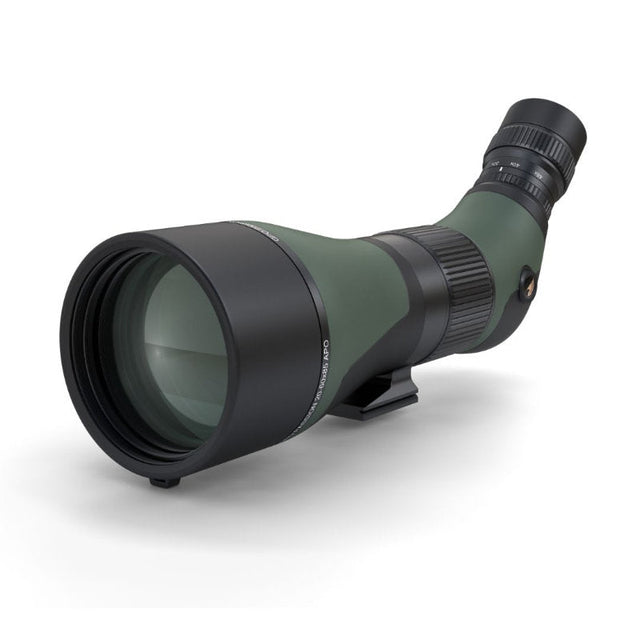
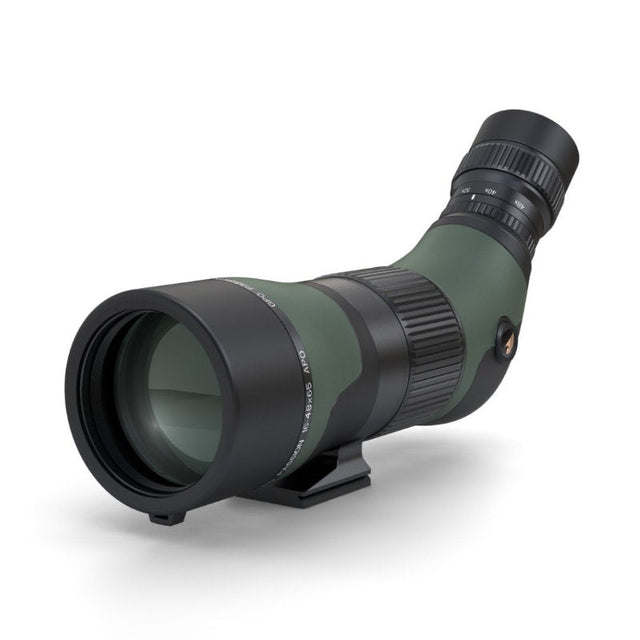
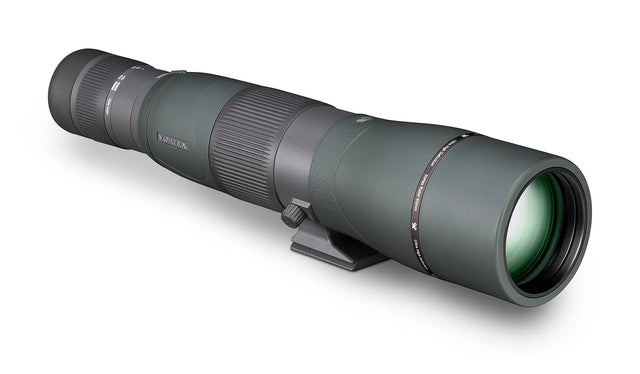
Many models come in both bodies, including the Vortex Crossfire HD, Diamondback HD, Viper HD and Razor HD. An angled eyepiece tilts upward. The tripod can sit lower, people of different heights can share the scope, and it is comfortable behind a rifle when you are lying prone. A straight body lets you look along the line of the scope, so finding a target is quicker. It also works well when you glass downhill or from a vehicle window. If you mostly shoot at the range, angled is the common pick. If you mostly glass paddocks and ridges while moving, straight is worth a look.
Same job, different tiers
Several ranges do the same job at different levels of glass. This table groups them so you can match a scope to how often you will use it.
| Tier | Models in this collection | Suits |
|---|---|---|
| Entry | Vortex Crossfire HD, Konus Gerber, Konus KS7127 and KS7128 kits | A first scope and occasional range days |
| Mid | Vortex Diamondback HD, ZeroTech Thrive 20-60x85 | Regular shooters and weekend hunters |
| Upper | Vortex Viper HD, ZeroTech Thrive HD ED, GPO Passion APO | Frequent glassing and longer sessions |
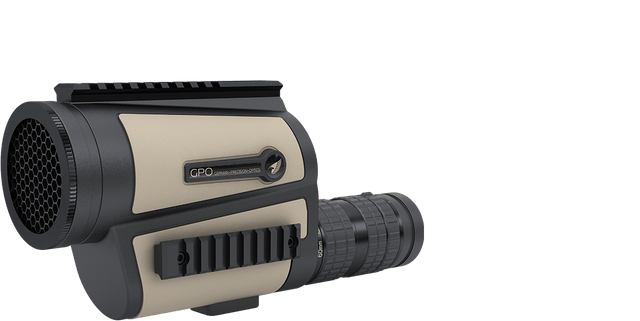
| Top | Vortex Razor HD, ZeroTech Trace Advanced, GPO Tac Spotter, Leica APO-Televid 65 | Serious long-range shooters and dedicated glassers |
The clearest example is ZeroTech. The Thrive 20-60x85 and the Thrive HD 20-60x85 ED share the same zoom and objective. The standard Thrive suits you if you want the format on a tighter budget. The HD ED version suits you if you spend hours behind the eyepiece and want the better glass named in its title. The Vortex 20-60 line works the same way, stepping from Crossfire to Diamondback to Viper.
The camera option
The LongShot LR-3 2 Mile UHD is listed as a spotting scope camera, not a glass spotter. It is aimed at target shooters who want to watch the target from the firing line. If you mainly hunt, a glass scope will suit you better.
What a spotter will not do
These are daylight optics. They will not help you find pigs or foxes after dark. For spotlighting and night hunting, look at thermal monoculars or night vision. At 60x, every small movement shows, so a steady tripod for your spotting scope matters as much as the glass. For fast hand-held scanning through scrub, hunting binoculars are quicker. If you need a distance to the animal, consider rangefinder binoculars.
Frequently asked questions
How is a spotter scope different from a rifle scope?
A spotter sits on a tripod and is used for observing, not aiming. It runs at higher zoom, up to 60x in this collection.
Should I choose angled or straight?
Angled suits prone shooting and sharing. Straight suits quick target finding and glassing from a vehicle. Most Vortex ranges here come in both.
What magnification do I need?
20-60x is the most common range here and covers most range and hunting use. If weight matters more, choose an 11-33x, 12-36x or 13-39x model.
Do any scopes come with a tripod?
Yes. The Konus KS7127 20-60x100 and KS7128 15-45x65 angled kits include a bag, a tripod and a smartphone adaptor.
19 products

On backorder
Ready to ship
Ready to ship

Ships today
Ready to ship

Ready to ship

Ready to ship

Ready to ship

Ready to ship

Supplier out of stock

Ready to ship
Ready to ship

Supplier out of stock

Ready to ship

Ready to ship

Ready to ship

Ready to ship

Ready to ship

Ready to ship
A spotting scope is a high-magnification daytime telescope that sits on a tripod. Target shooters use one to read shot placement on paper. Hunters use one to glass a far ridge for deer before committing to the walk. When you choose one, you are deciding three things: how much zoom you need, how big the objective lens should be, and whether the eyepiece sits angled or straight.
This collection holds 35 scopes from Vortex, ZeroTech, GPO, Leica, Konus and LongShot, for shooters and hunters Australia-wide. Most are 20-60x models. There are smaller 11-33x, 12-36x and 13-39x scopes for carrying, plus one camera-based system for long-range target work.
Reading the numbers in the name
Take 20-60x85. The first two numbers are the zoom range. The last number is the objective lens diameter in millimetres. A bigger objective gathers more light and holds a brighter image at high zoom, but it adds bulk. An 85 mm scope such as the Vortex Razor HD 27-60x85 suits a bench, a shooting mat or the back of a ute. A 50 or 56 mm scope, like the Vortex Viper HD 11-33x50 or the Razor HD 13-39x56, is the one you carry in a pack through sambar country. The Konus 20-60x100 has the largest objective here.
Angled or straight
Many models come in both bodies, including the Vortex Crossfire HD, Diamondback HD, Viper HD and Razor HD. An angled eyepiece tilts upward. The tripod can sit lower, people of different heights can share the scope, and it is comfortable behind a rifle when you are lying prone. A straight body lets you look along the line of the scope, so finding a target is quicker. It also works well when you glass downhill or from a vehicle window. If you mostly shoot at the range, angled is the common pick. If you mostly glass paddocks and ridges while moving, straight is worth a look.
Same job, different tiers
Several ranges do the same job at different levels of glass. This table groups them so you can match a scope to how often you will use it.
| Tier | Models in this collection | Suits |
|---|---|---|
| Entry | Vortex Crossfire HD, Konus Gerber, Konus KS7127 and KS7128 kits | A first scope and occasional range days |
| Mid | Vortex Diamondback HD, ZeroTech Thrive 20-60x85 | Regular shooters and weekend hunters |
| Upper | Vortex Viper HD, ZeroTech Thrive HD ED, GPO Passion APO | Frequent glassing and longer sessions |
| Top | Vortex Razor HD, ZeroTech Trace Advanced, GPO Tac Spotter, Leica APO-Televid 65 | Serious long-range shooters and dedicated glassers |
The clearest example is ZeroTech. The Thrive 20-60x85 and the Thrive HD 20-60x85 ED share the same zoom and objective. The standard Thrive suits you if you want the format on a tighter budget. The HD ED version suits you if you spend hours behind the eyepiece and want the better glass named in its title. The Vortex 20-60 line works the same way, stepping from Crossfire to Diamondback to Viper.
The camera option
The LongShot LR-3 2 Mile UHD is listed as a spotting scope camera, not a glass spotter. It is aimed at target shooters who want to watch the target from the firing line. If you mainly hunt, a glass scope will suit you better.
What a spotter will not do
These are daylight optics. They will not help you find pigs or foxes after dark. For spotlighting and night hunting, look at thermal monoculars or night vision. At 60x, every small movement shows, so a steady tripod for your spotting scope matters as much as the glass. For fast hand-held scanning through scrub, hunting binoculars are quicker. If you need a distance to the animal, consider rangefinder binoculars.
Frequently asked questions
How is a spotter scope different from a rifle scope?
A spotter sits on a tripod and is used for observing, not aiming. It runs at higher zoom, up to 60x in this collection.
Should I choose angled or straight?
Angled suits prone shooting and sharing. Straight suits quick target finding and glassing from a vehicle. Most Vortex ranges here come in both.
What magnification do I need?
20-60x is the most common range here and covers most range and hunting use. If weight matters more, choose an 11-33x, 12-36x or 13-39x model.
Do any scopes come with a tripod?
Yes. The Konus KS7127 20-60x100 and KS7128 15-45x65 angled kits include a bag, a tripod and a smartphone adaptor.