
Pixfra Arc vs M2 Thermal Monoculars: Which Handheld?
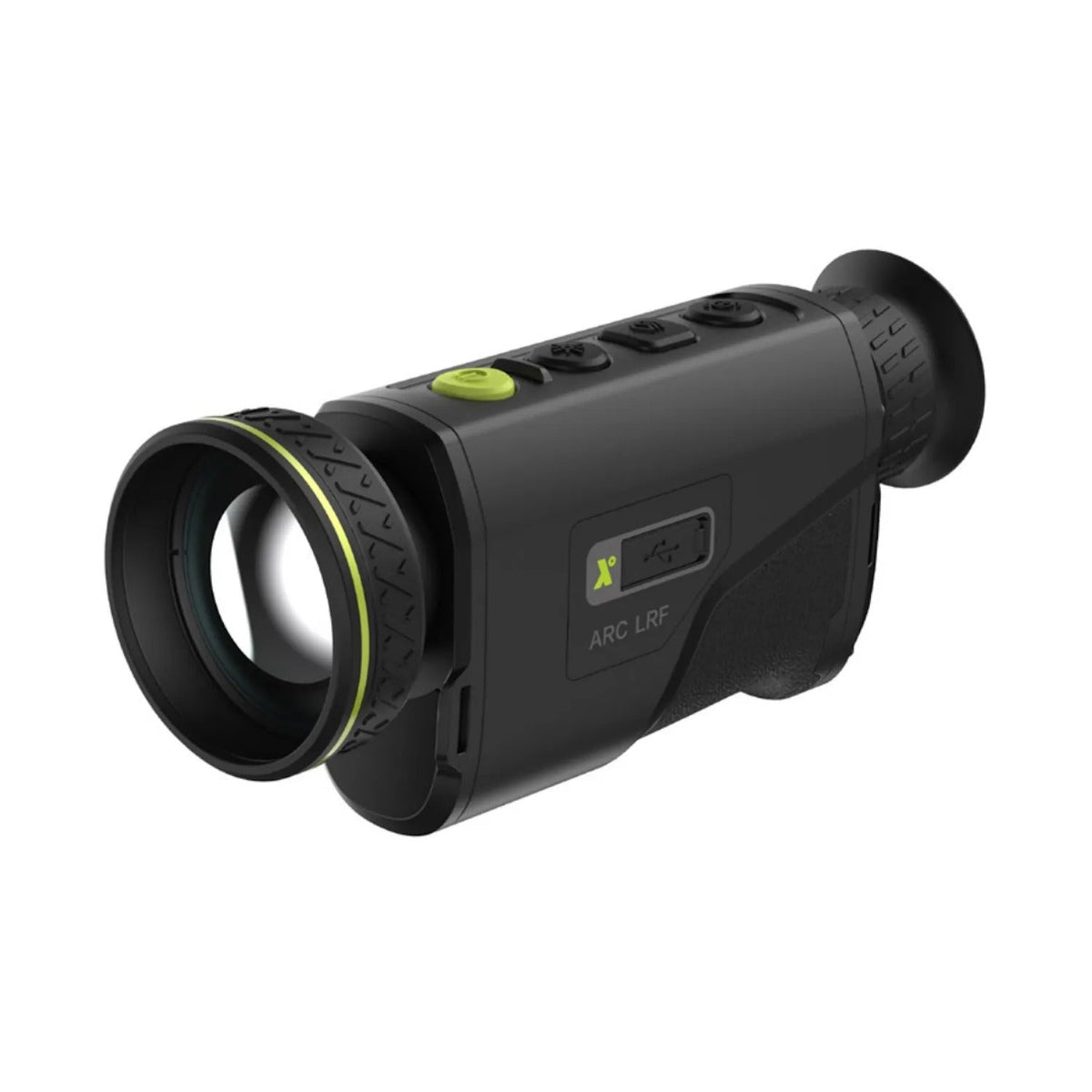
G'day. If you're looking at a Pixfra handheld, it comes down to two families. The M2 M419 is a light, simple scanner. The Arc line adds a laser rangefinder and comes in three sensor and lens combinations. Here's how they compare and which one we'd point you at.
Prices are Pixfra RRP as at 24 October 2026. These ship to you from the Australian distributor, so allow a few extra days.

The four models at a glance
| Model | Sensor | Lens | Rangefinder | RRP |
|---|---|---|---|---|
| M2 M419 | 384×288 | 19 mm | No | $1,390 |
| Arc A425P LRF | 384×288 | 25 mm | Yes, 1,000 m | $1,990 |
| Arc A635P LRF | 640×512 | 35 mm | Yes, 1,000 m | $2,790 |
| Arc A650P LRF | 640×512 | 50 mm F1.0 | Yes, 1,000 m | $3,490 |
The model number tells you the sensor and lens. The "4" models are 384×288 and the "6" models are 640×512. The last two digits are the lens in millimetres.
M2 M419: the pocket scanner
The M419 is the one you'll actually carry. It has a 384×288 sensor behind a wide 19 mm lens, an 800 × 600 OLED, 16 GB of storage, Wi-Fi to the phone app and an IP67 rating. It also has an electronic compass, which is handy when you're telling a mate where the fox is sitting.
The wide lens is the point. At 19 mm you see a lot of paddock at once, so it's quick to sweep a property and pick up eyes and heat. The trade-off is that a small lens makes animals look small further out. It's at its best inside about 150 m.
Who it suits: rabbit and fox shooters on smaller blocks, anyone new to thermal, and farmers who want something in the ute for checking stock and fences.
Arc LRF: scan and range in one hand
Every Arc here has a laser rangefinder that reads to 1,000 m, a 1440 × 1080 OLED eyepiece, a magnesium body and a replaceable 18650 battery. The body works for left- and right-handed users. Being able to put a number on an animal before you lift the rifle is the biggest upgrade over the M419, especially at night when distances are hard to judge.

Arc A425P LRF
The A425P keeps the 384×288 sensor and goes to a 25 mm lens. It's the cheapest way into a Pixfra rangefinding handheld. It's still a close-to-mid range unit, but the rangefinder makes it a much better tool for working out shots.
Arc A635P LRF
The A635P is the one we'd point most people at. The 640×512 sensor shows noticeably more detail, which helps when you're sorting species or checking what's behind an animal. The 35 mm lens is a good middle ground between scanning width and reach. For pigs in cover and foxes inside about 150 m, it's the sweet spot.
Arc A650P LRF
The A650P is the reach pick. It has the same 640×512 sensor behind a 50 mm F1.0 lens with an 8.7° × 7° field of view and 32 GB of storage. Pixfra rates it to 2,600 m detection, and the rangefinder reads 10 to 1,000 m with ±1 m accuracy. Detection means seeing a heat source, not identifying an animal, so treat that figure as a ceiling. On open grazing country where foxes sit at 250 m or more, the 50 mm lens is what lets you tell what you're looking at.
What the spec sheet doesn't tell you
Detection range is the number that gets quoted most, and it's the least useful. It's the distance at which a unit can show that something warm is there, not the distance at which you can tell a fox from a cat or a doe from a calf. For identification, lens size and sensor resolution matter far more. As a rough guide, a 19 to 25 mm lens is happiest inside about 150 m, 35 mm stretches a bit further, and 50 mm is for open country.
Battery matters too. The Arc runs on a replaceable 18650, so carrying a charged spare in your pocket keeps you going on a long night. Cold nights shorten battery life on any thermal, so a spare is cheap insurance.
Which one should you buy?
- Tight budget or smaller block: M2 M419.
- You want ranging but most shots are close: Arc A425P LRF.
- Best all-rounder: Arc A635P LRF.
- Open country, longer distances: Arc A650P LRF.
What about binoculars?
If you spend hours glassing, look at the Pixfra Draco binoculars. Both eyes open is easier on you over a long night. Draco also adds 4K digital night vision and a rangefinder, so you can switch to night vision to check what the thermal found. They cost more and weigh more than a monocular, but some hunters never go back.
Do you need a handheld if you've got a thermal scope?
Yes. A rifle scope is for the shot, not for scanning. Use a handheld to find and check animals and what's behind them, then bring the rifle up. That's the safe way to hunt with thermal, and it's easier on your arms too.
Not sure yet? Read our Pixfra buyer's guide, compare Pixfra vs Pulsar vs HIKMICRO, or browse all Pixfra thermal monoculars.