
Pixfra Cetus vs Pegasus 2 vs Volans: Which Scope?
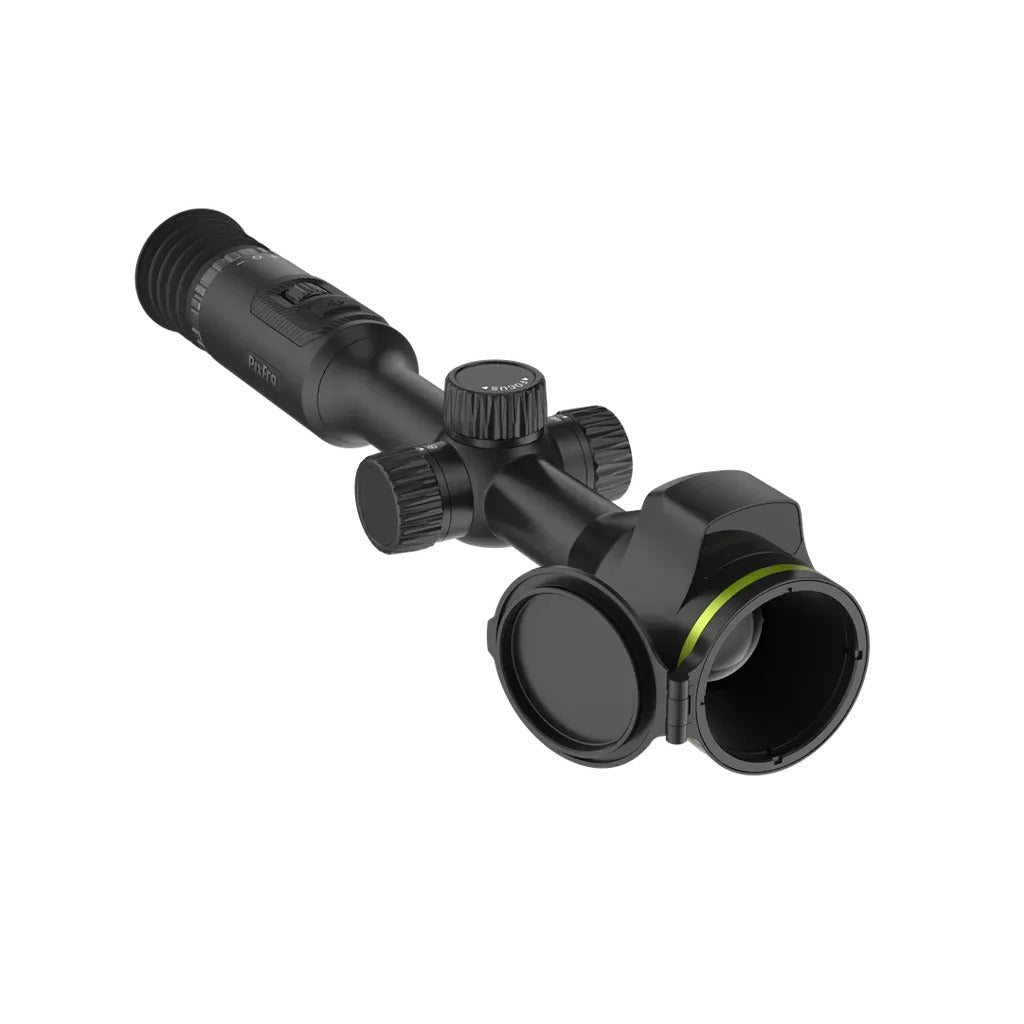
G'day. Pixfra makes three kinds of rifle scope, and they do quite different jobs. Cetus is straightforward thermal. Pegasus 2 is thermal with a rangefinder and ballistic calculator built in. Volans is a 4K digital day and night scope, not thermal at all. Here's how to pick.
Prices are Pixfra RRP as at 24 October 2026. These ship to you from the Australian distributor, so allow a few extra days.
The short version
- Cetus: you want a good thermal picture on the rifle and nothing more. From $1,190.
- Pegasus 2 LRF: you want to range and get a holdover without reaching for anything else. 30 mm tube. From $2,890.
- Volans 50: you want one scope for day and night with a real picture, not a heat image. From $1,190.

Cetus: plain, good thermal
| Model | Sensor | Lens | RRP |
|---|---|---|---|
| C225 | 256×192 | 25 mm | $1,190 |
| C335 | 384×288 | 35 mm | $1,890 |
| C635 | 640×512 | 35 mm | $2,690 |
| C650 | 640×512 | 50 mm | $3,890 |
Every Cetus uses a 12 µm sensor with Pixfra's PIPS 3.0 processing, a magnesium IP67 body, built-in Wi-Fi, a 64 GB card and a recoil-activated recorder. It runs on a single 18650 with a quick-release cover.
The C225 is a budget scope for close rabbit and fox work on a rimfire or .223. The C335 is the all-rounder at 384×288. The C635 is the one we'd pick for most people. A 640×512 sensor on a 35 mm lens gives you a sharp picture and a wide 12.5° × 10° view. The C650 adds reach for open country.
Pegasus 2 LRF: ranging and ballistics built in
| Model | Sensor | Lens | RRP |
|---|---|---|---|
| P335 LRF | 384×288 | 35 mm | $2,890 |
| P635 LRF | 640×512 | 35 mm | $3,890 |
| P650 LRF | 640×512 | 50 mm | $4,490 |
Pegasus 2 is a 30 mm tube thermal scope, so it goes in standard 30 mm rings like a day scope. It has a 1,000 m laser rangefinder with a ballistic calculator, a 0.5" 1600 × 1200 OLED, 64 GB of storage and IP67. It runs on dual 18650 batteries, and Pixfra quotes up to about 9 hours. The 640 models list a 15 mK NETD sensor.
The rangefinder and ballistics are what you pay for over a Cetus. At night, distance is hard to judge, and a wrong guess at 200 m on a fox is the difference between a clean shot and a miss. If you shoot past about 150 m regularly, Pegasus 2 is worth the extra.

Cetus or Pegasus 2 at the same sensor?
Compare the C635 ($2,690) with the P635 LRF ($3,890). Same 640×512 sensor and 35 mm lens. The extra $1,200 buys the rangefinder, ballistics, the 30 mm tube format and a second battery. If you already carry a rangefinding handheld like the Arc A635P LRF, the Cetus plus that handheld is a strong pair. If you want it all on the rifle, go Pegasus 2.
A note on the spec sheets: Pixfra quotes different detection ranges for the C635 and P635 even though they share a sensor and lens size. Don't buy on that number. Lens size and sensor tell you more.
Volans 50: digital day and night
The Volans 50 ($1,190) is a different kind of scope. It's a 4K 3840 × 2160 digital image behind a 50 mm lens with an adjustable F1.2 to F3.0 aperture, shown on a 1.25" round display, so it feels like a traditional scope. It records to 64 GB, has Wi-Fi to the Pixfra app and is IP67.
Digital night vision shows you a picture: texture, markings, the background. It doesn't show heat, so it won't pick an animal out of long grass or scrub the way thermal does. It also needs infrared light at night. Many hunters run both: thermal to find, digital to confirm.
- Volans 50 ($1,190): scope only, no rangefinder.
- Volans 50 kit ($1,250): adds an Accura Triclops IR torch and QD rings.
- Volans 50 LRF kit ($1,490): adds a 1,000 m rangefinder with ballistics, plus the torch and rings.

Matching the lens to your country
The lens decision matters more than the brand or the badge on the side. If most of your shooting is inside about 150 m, such as rabbits around sheds, foxes on smaller blocks or pigs along a creek, a 25 or 35 mm lens gives you a wider view that's easier to stay on a moving animal with. If you regularly shoot open grazing country or across gullies, a 50 mm lens lets you identify animals further out. The catch is a narrower view, which makes close, quick shots harder.
A bigger lens isn't automatically better. On a close-range property, a 50 mm scope can feel like looking through a straw.
Our picks
- Close-range budget thermal: Cetus C225.
- Best value overall: Cetus C635.
- Open country with ranging: Pegasus 2 P650 LRF.
- Day and night on a budget: Volans 50 LRF kit.
Whatever scope you pick, carry a handheld. A scope is for the shot, not for scanning. See the Pixfra monoculars, read the Pixfra buyer's guide, or browse all Pixfra scopes.