
DNT Thermal Australia
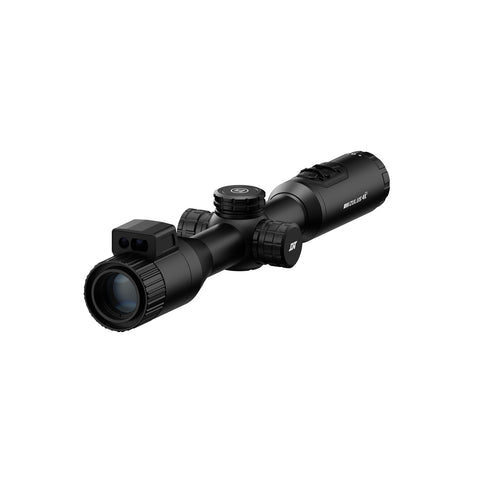
Needs first. Looking for DNT thermal in Australia? Spot with a handheld monocular first — do not wave a scoped firearm to find animals — then engage with ThermNight multispectral or Hydra dedicated...
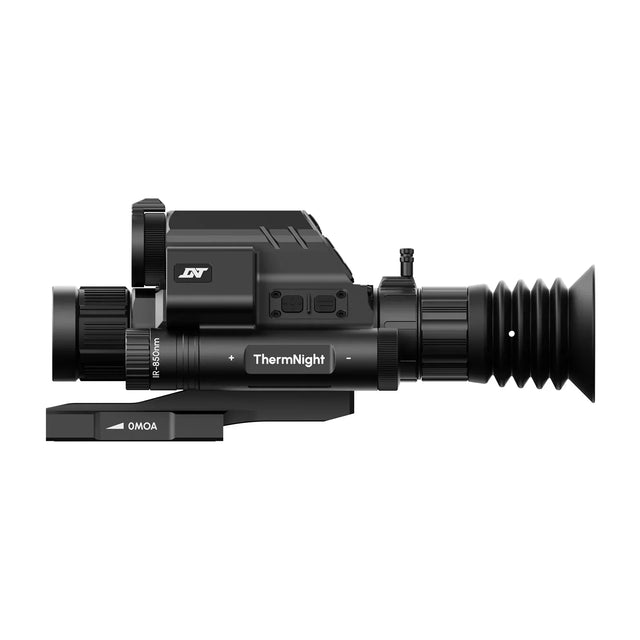
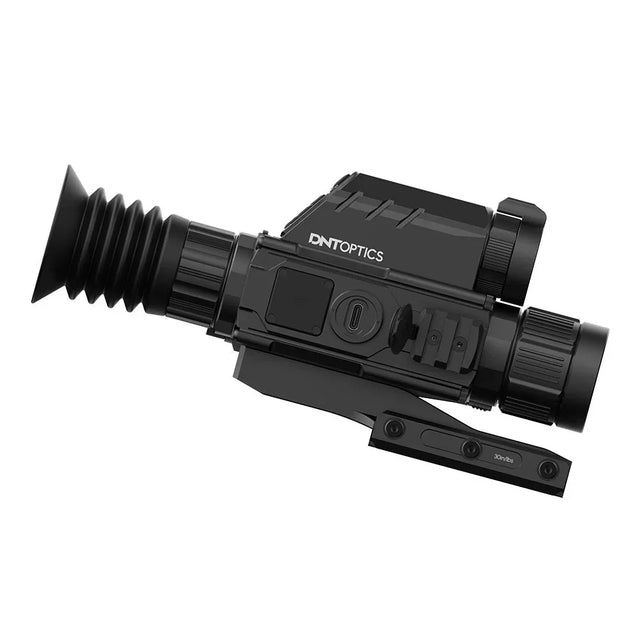
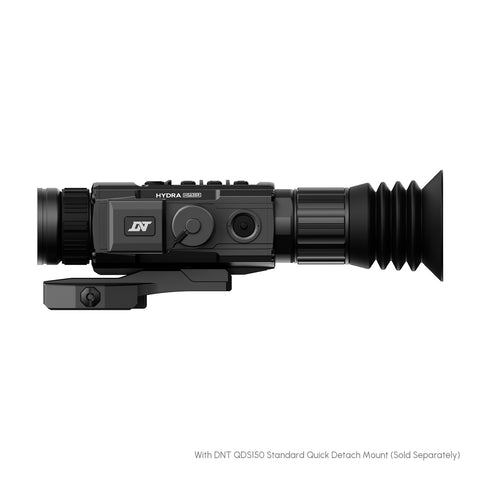

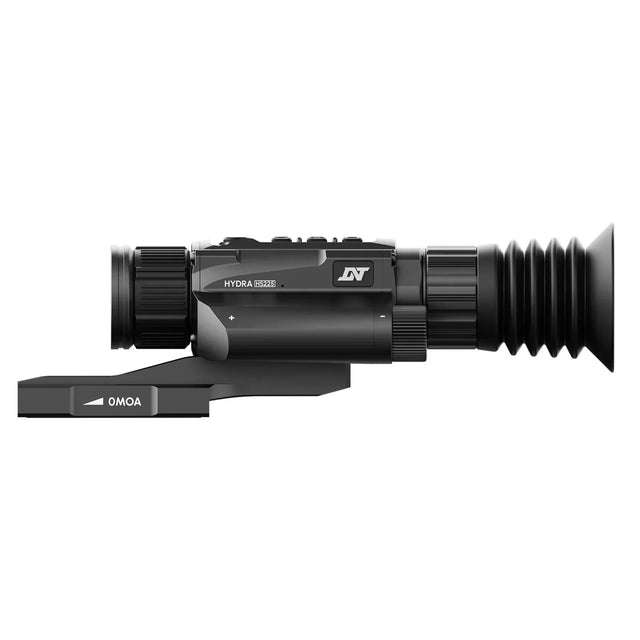
Compare (0)
Compare side by side
Needs first. Looking for DNT thermal in Australia? Spot with a handheld monocular first — do not wave a scoped firearm to find animals — then engage with ThermNight multispectral or Hydra dedicated thermal once you are on quarry. Lock lens class from the hunt: around ~150 m the Need is ~35 mm (ThermNight TNC335–635 / Hydra 335–635 class). Past that — foxes and ID work in open country around ~250 m — lock ~50 mm first (Hydra LRF 650R on the Hydra LRF shelf). Sensor resolution mainly adds field of view and detail; it does not replace the right objective.
Spot with a monocular first. Start on Thermal Monoculars Australia or the brand hub DNT Optics Australia (Hound handhelds) before you commit to ThermNight or Hydra on the rifle.
Considerations second. Once quarry, distance and lens are locked, compare multispectral vs dedicated thermal, built-in LRF, ballistic calculator, battery and mounting. Digital day/night (Zulus) is a different Need. We do not lead with under-$X tiers or a generic price ladder.
Hunt The Night is an authorised Australian DNT dealer. Genuine local stock, full manufacturer warranty, Melbourne-based pre-sale advice. Fit the thermal to the hunt first, then shop the live range below.
Quick links: TNC635R · TNC335R · Hydra LRF 635R · Hydra HS635 · DNT Optics Australia · Thermal Scopes Australia
Why monocular first
Every DNT thermal scope recommendation at Hunt The Night assumes you already own, or are buying, a spotter. A Hound monocular (or any handheld on Thermal Monoculars Australia) finds the animal; ThermNight or Hydra engages once you are on it. That workflow is non-negotiable.
~35 mm class — fence lines, scrub, mixed paddocks ~150 m
Rabbits, pigs and foxes around fence lines and mixed country usually sit inside ~150 m. Money picks on this shelf: ThermNight TNC635R / TNC335R (multispectral), TNC225R for closer country, and Hydra LRF 635R / HS635 / HS325 for dedicated thermal. Step up only when typical shots push past that distance.
~50 mm class — open country, foxes past 150 m
If you regularly identify foxes across open paddocks beyond ~150 m — often around ~250 m — lock a 50 mm objective first. That Need lives on DNT Hydra LRF (650R) and the broader Thermal Scopes Australia shelf. ThermNight stays ~25–35 mm — do not stretch it for open-paddock fox work.
Which DNT thermal fits the hunt?
| If you need… | Look at | Why |
|---|---|---|
| Find the animal first | DNT Hound / Thermal Monoculars Australia | spotter first — do not wave the scoped firearm |
| ~150 m multispectral detect + digital ID | TNC635R / TNC335R | ~35 mm ThermNight money scopes |
| ~150 m dedicated thermal + LRF | Hydra LRF 635R | ~35 mm Hydra LRF |
| Same closer Need, non-LRF Hydra | HS635 / HS325 | LRF is a Consideration after lens |
| Closer multispectral ~25 mm | TNC225R | closer country |
| Open-country foxes ~250 m | Hydra LRF 650R | ~50 mm Need — not on ThermNight |
DNT Thermal Australia — FAQ
Why buy a thermal monocular before a DNT thermal scope?
Safety and speed. Spot with a handheld so you are not waving a loaded rifle to find animals. Identify quarry, count the mob, then raise the scoped firearm for the shot. Hunt The Night always recommends monocular first — see DNT Optics Australia for Hound.
35 mm or 50 mm?
Needs first: distance. Around ~150 m, 35 mm-class ThermNight / Hydra is usually enough. Past that — foxes in open country around ~250 m — prefer Hydra LRF 650R. Sensor size mainly adds field of view and scene detail, not raw reach.
ThermNight or Hydra?
ThermNight when you want multispectral thermal + digital NV. Hydra when you want dedicated thermal for the shot. Fit the hunt first — quarry, distance, role — then channel mix and LRF.
Is Hunt The Night an authorised DNT dealer in Australia?
Yes. Genuine Australian stock, full manufacturer warranty, Melbourne advice. Live pricing is on each product page. See also DNT Optics Australia and Thermal Scopes Australia.