
DNT Optics Australia
Needs first. Looking for DNT Optics in Australia? Spot with a Hound thermal monocular first — do not wave a scoped firearm to find animals. Engage with ThermNight multispectral or Hydra thermal onc...
21 products
DNT
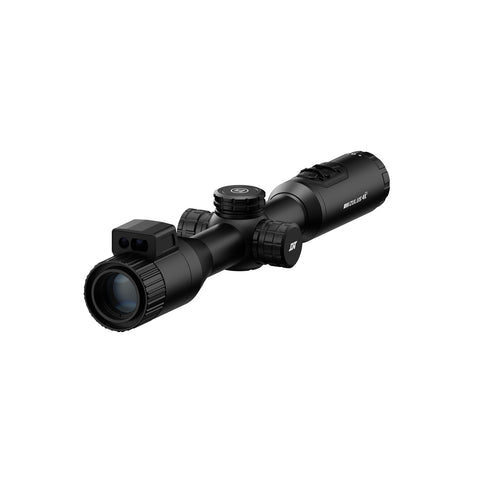
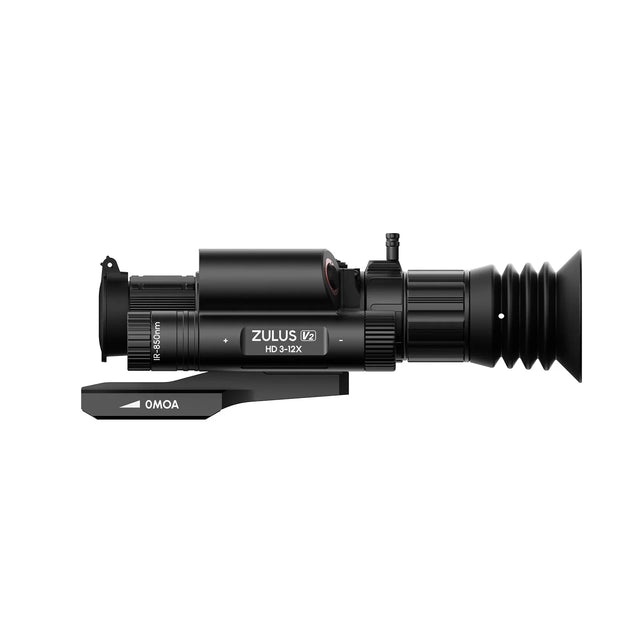
ZULUS HD V2 3-12X Digital Night Vision Scope With Laser Rangefinder and Ballistic Calculator3 reviews
$1,199
Only 2 left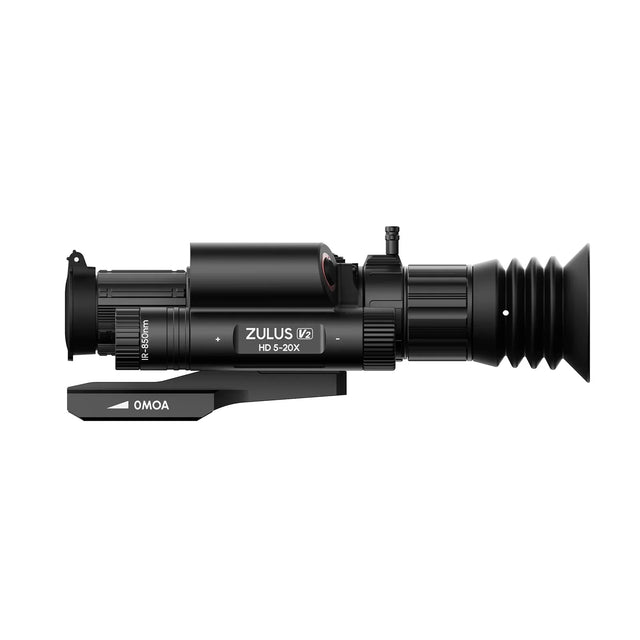
DNT
ZULUS HD V2 5-20X Digital Night Vision Scope with Laser Rangefinder and Ballistic Calculator8 reviews
$1,199
Only 3 left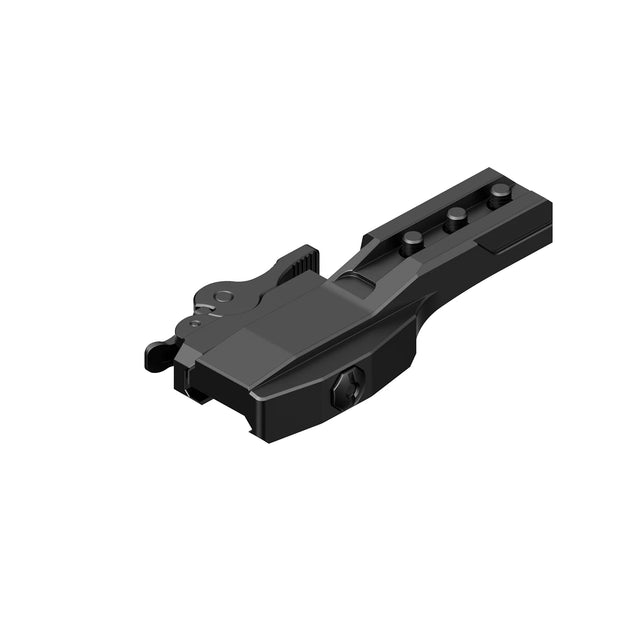
Needs first. Looking for DNT Optics in Australia? Spot with a Hound thermal monocular first — do not wave a scoped firearm to find animals. Engage with ThermNight multispectral or Hydra thermal once you are on quarry. Lock lens class from the hunt: around ~150 m the Need is ~35 mm (Hound 325 / Hydra 335 / ThermNight TNC335–635 class). Past that — foxes and ID work in open country around ~250 m — lock ~50 mm first (Hydra LRF 650R). Sensor resolution mainly adds field of view and detail; it does not replace the right objective.
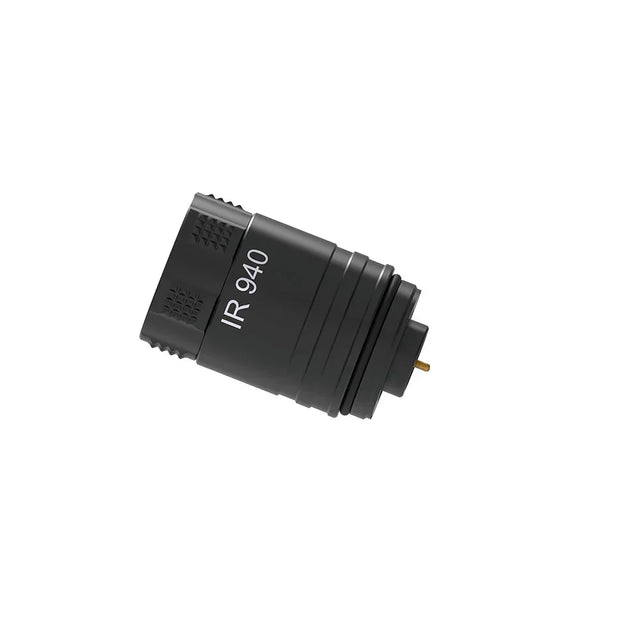
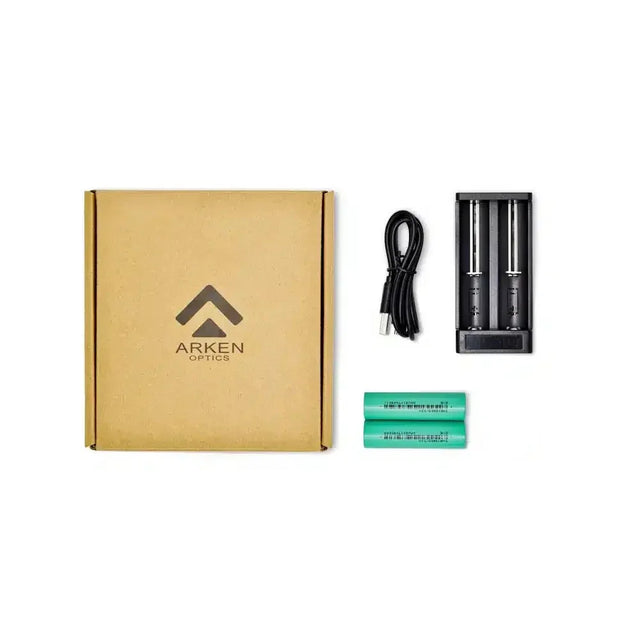
Considerations second. Once quarry, distance and lens are locked, compare built-in LRF, ballistic calculator, multispectral vs dedicated thermal, battery format, mounts and weight. Digital Zulus day/night is a different Need when you want daylight-style ID without heat detection. Accessories (mounts, IR modules, batteries) sit last — they do not set the hunt. We do not lead with under-$X tiers or a generic price ladder.
Hunt The Night is an authorised Australian DNT dealer. Genuine local stock, full manufacturer warranty, Melbourne-based pre-sale advice. Fit Hound to spot, ThermNight or Hydra to shoot, then shop the live range below.
Quick links: Hound 635R · Hound H325R · ThermNight TNC635R · Hydra LRF 650R · DNT Thermal · Thermal Monoculars Australia · Thermal Scopes Australia
Why monocular first — DNT Hound
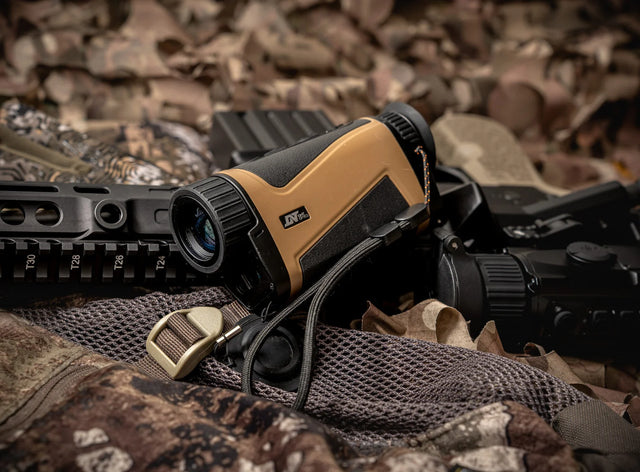
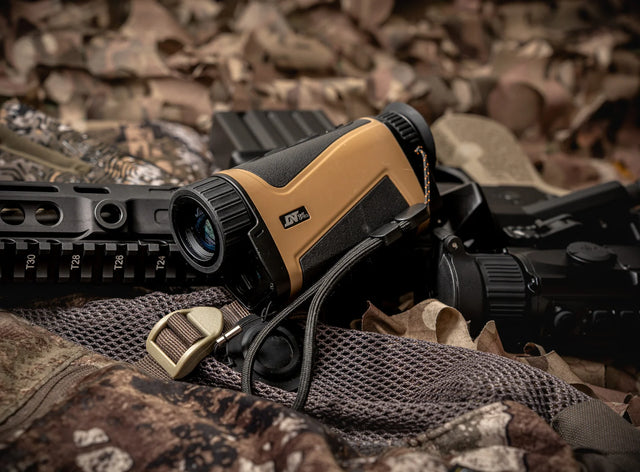
Do not sweep a paddock with a scoped firearm to find quarry. A Hound 635R (or H325R / 325R) finds heat, counts the mob and plans the stalk; ThermNight or Hydra takes the shot once you are on it. That workflow is non-negotiable at Hunt The Night — every DNT scope recommendation assumes you already own, or are buying, a spotter.
~35 mm class — fence lines, scrub, mixed paddocks ~150 m
Rabbits, pigs and foxes around fence lines and mixed country usually sit inside ~150 m. Start with 35 mm-class DNT: Hound 325 / H325R for spotting; ThermNight TNC335R / TNC635R (multispectral) or Hydra LRF 335R / 635R for the shot. Closer still: TNC225R (~25 mm). On the same lens, a 640 sensor gives a wider field of view; a 384 sensor still suits deliberate work when the millimetres match the distance.
~50 mm class — open country, foxes past 150 m
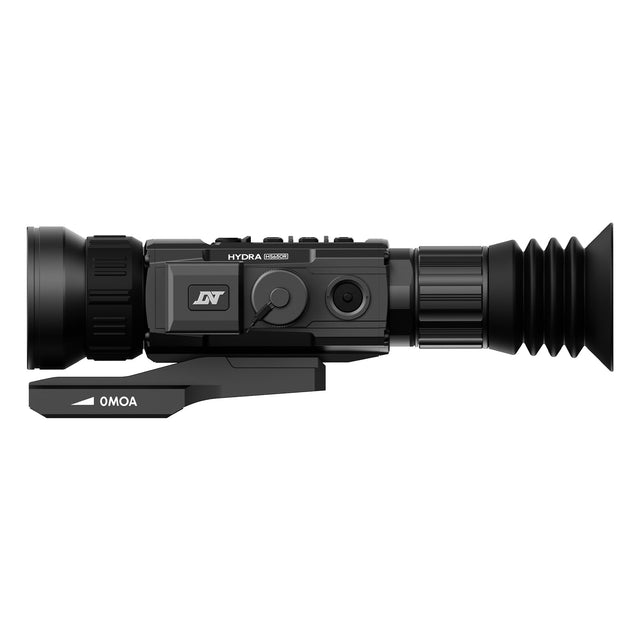
If you regularly identify foxes across open paddocks beyond ~150 m — often around ~250 m — lock a 50 mm objective first. On this shelf that is Hydra LRF 650R. ThermNight stays in the ~25–35 mm lane — do not stretch it for open-paddock fox work. Brochure detection figures do not replace a clear identification job — lens class sets useful reach.
ThermNight, Hydra or Zulus?
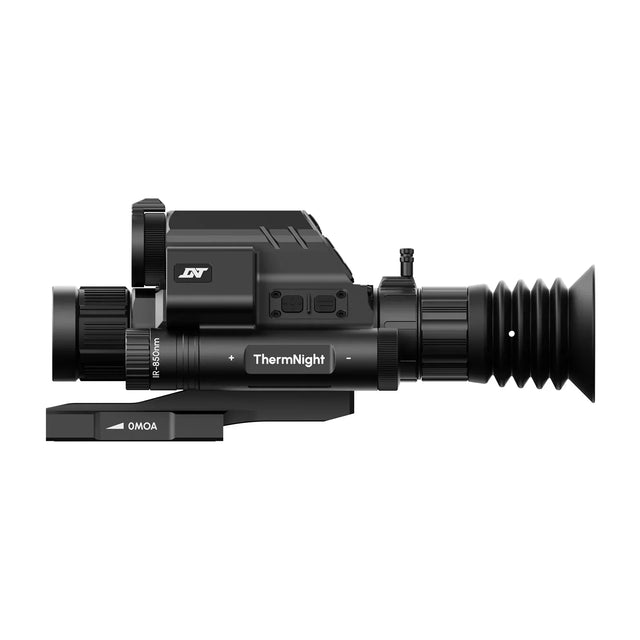
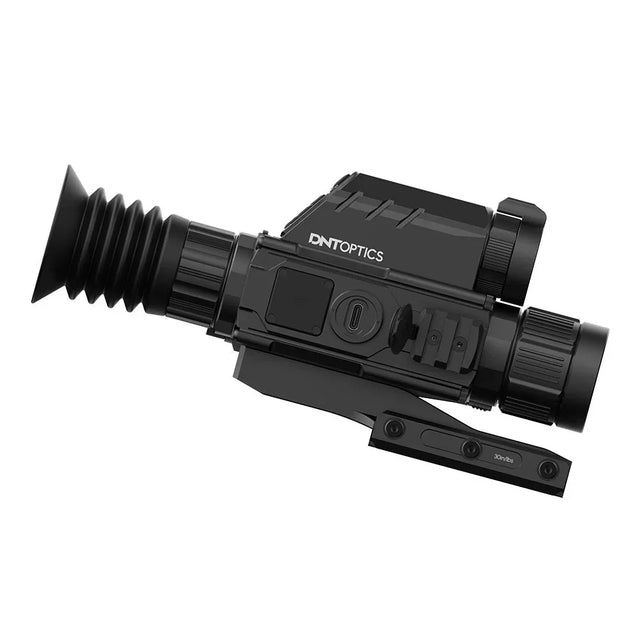
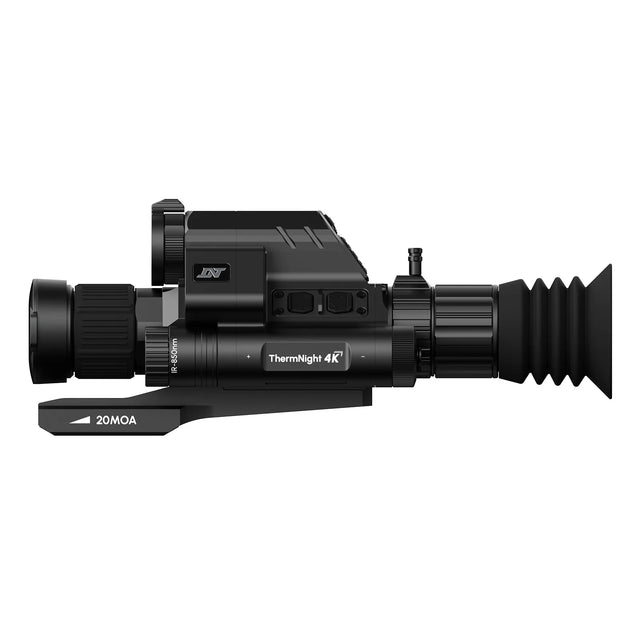
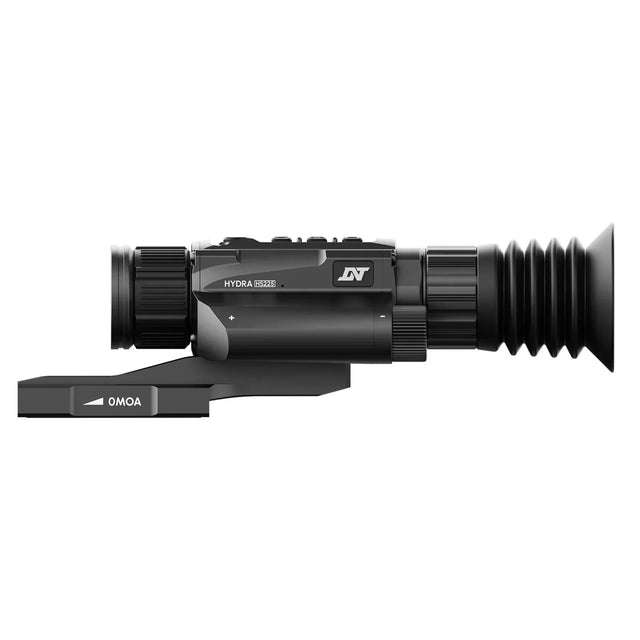
ThermNight is multispectral: thermal to detect, digital night vision to identify, plus LRF and ballistics — ~25–35 mm class. Hydra is dedicated thermal for the shot (LRF models and HS non-LRF). Zulus is digital day/night only — a different Need when heat detection is not required. Fit the hunt first, then the form factor.
Which DNT kit fits the hunt?
| If you need… | Look at | Why |
|---|---|---|
| Find the animal first | Hound 635R / H325R / 325R | spotter first — do not wave the scoped firearm |
| Open-country foxes ~250 m, thermal shot | Hydra LRF 650R | ~50 mm money LRF scope |
| ~150 m multispectral detect + digital ID | TNC635R / TNC335R | ~35 mm ThermNight; 640 vs 384 is detail/FOV |
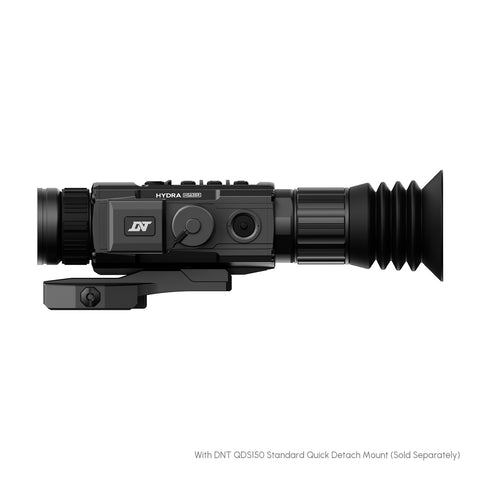
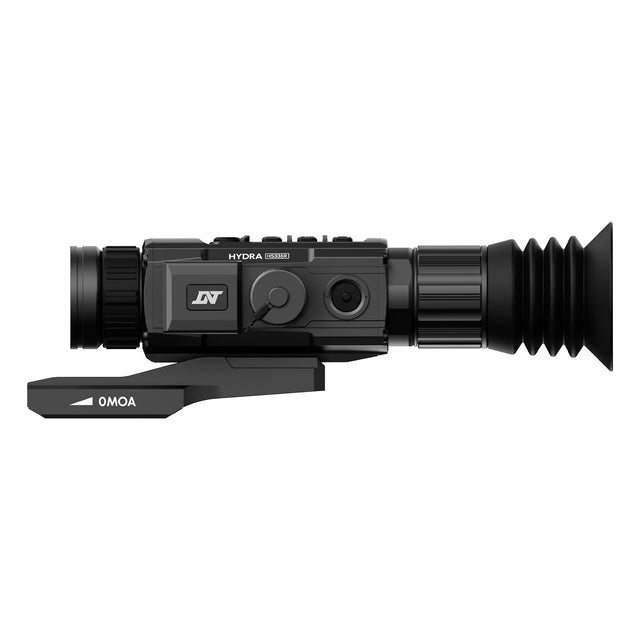
| ~150 m dedicated thermal shot | Hydra LRF 635R / 335R / HS635 / HS325 | ~35 mm Hydra; LRF after lens class |
| Closer multispectral ~25 mm | TNC225R | closer country; still not a handheld |
| Digital day/night only (no thermal) | Zulus 4K / HD V2 | different Need — daylight-style ID |
| All-brand thermal shortlist | Monoculars · Scopes | DNT beside other fit-to-hunt options |
Considerations after lens class
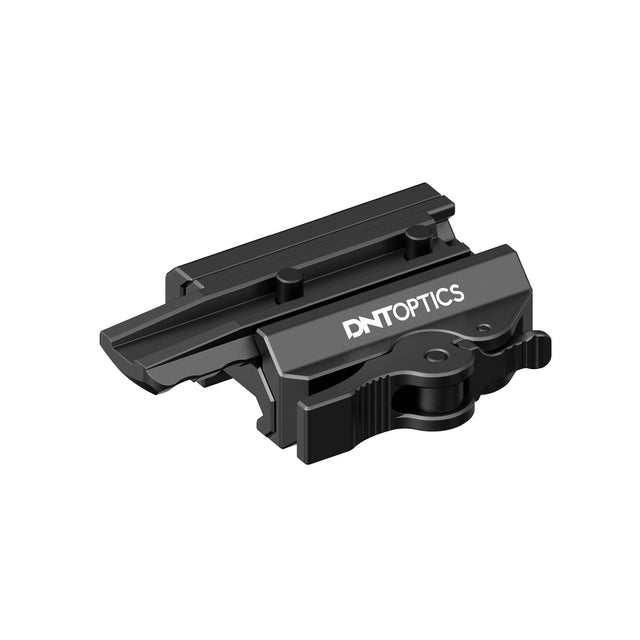
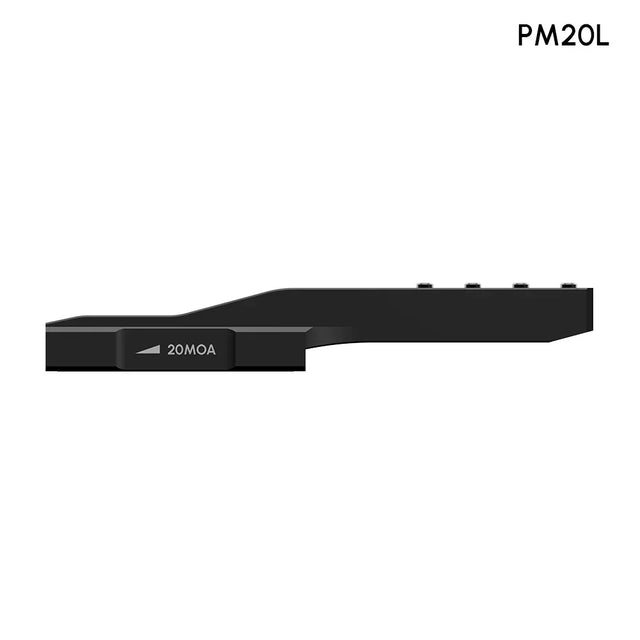
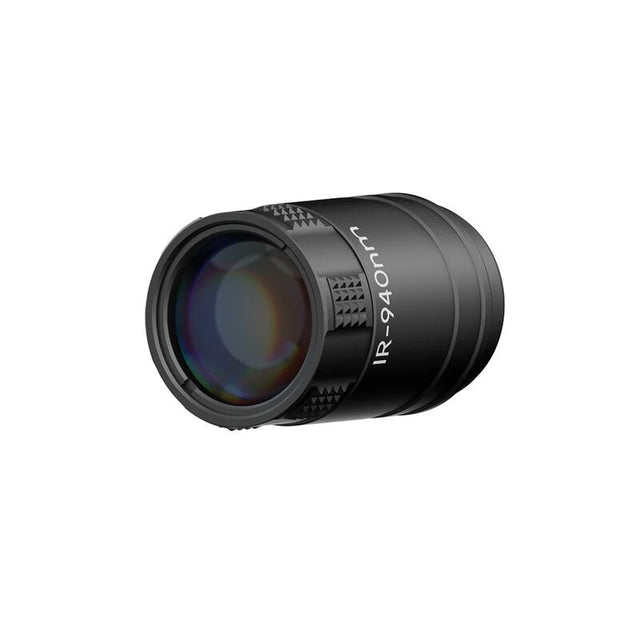
LRF and ballistics for ranging on the shot once the objective is right. Mounts (QDS150 / QDM150), IR modules for digital channels, and batteries sit after the money devices. None replace locking ~35 mm vs ~50 mm from distance first.
DNT Optics Australia — FAQ
Why buy a Hound monocular before a ThermNight or Hydra?
Safety and speed. Spot with a handheld so you are not waving a loaded rifle to find animals. Identify quarry, count the mob, then raise the scoped firearm for the shot. Hunt The Night always recommends monocular first.
35 mm or 50 mm?
Needs first: distance. Around ~150 m, 35 mm-class is usually enough. Past that — foxes in open country around ~250 m — prefer Hydra LRF 650R (~50 mm). Sensor size mainly adds field of view and scene detail, not raw reach.
ThermNight or Hydra?
ThermNight when you want multispectral thermal + digital NV in one scope (~25–35 mm). Hydra when you want dedicated thermal for the shot — including the 50 mm 650R for open country. Fit the hunt, then the channel mix.
Where do Zulus, mounts and batteries sit?
Zulus is the digital day/night lane. Mounts, IR modules and battery packs are Considerations after the money spotter and scope are locked — they do not lead this shelf.
Is Hunt The Night an authorised DNT dealer in Australia?
Yes. Genuine Australian stock across Hound, ThermNight, Hydra and Zulus, full manufacturer warranty, Melbourne advice. Live pricing is on each product page. We do not group this range by under-$X tiers.